Artificial intelligence has become an established part of upper secondary school students’ studies in Tampere. A survey on artificial intelligence carried out in the upper secondary schools of the City of Tampere was completed by 1,896 pupils, 63 per cent of whom reported using artificial intelligence at least once a week.
AI is used primarily to support learning
According to the survey, AI is used in particular to clarify difficult concepts, to study maths and science subjects, to practise languages, and to generate ideas for writing. The responses show that AI is primarily seen as a learning aid and a tool for stimulating thought, rather than a source of ready-made answers or assignments.
Students also recognise the benefits and risks of artificial intelligence. It is seen as making information retrieval, problem-solving and time management easier. Concerns, on the other hand, centre on incorrect information, a potential decline in learning standards and society’s growing dependence on AI.
Common guidelines do not yet reach all students
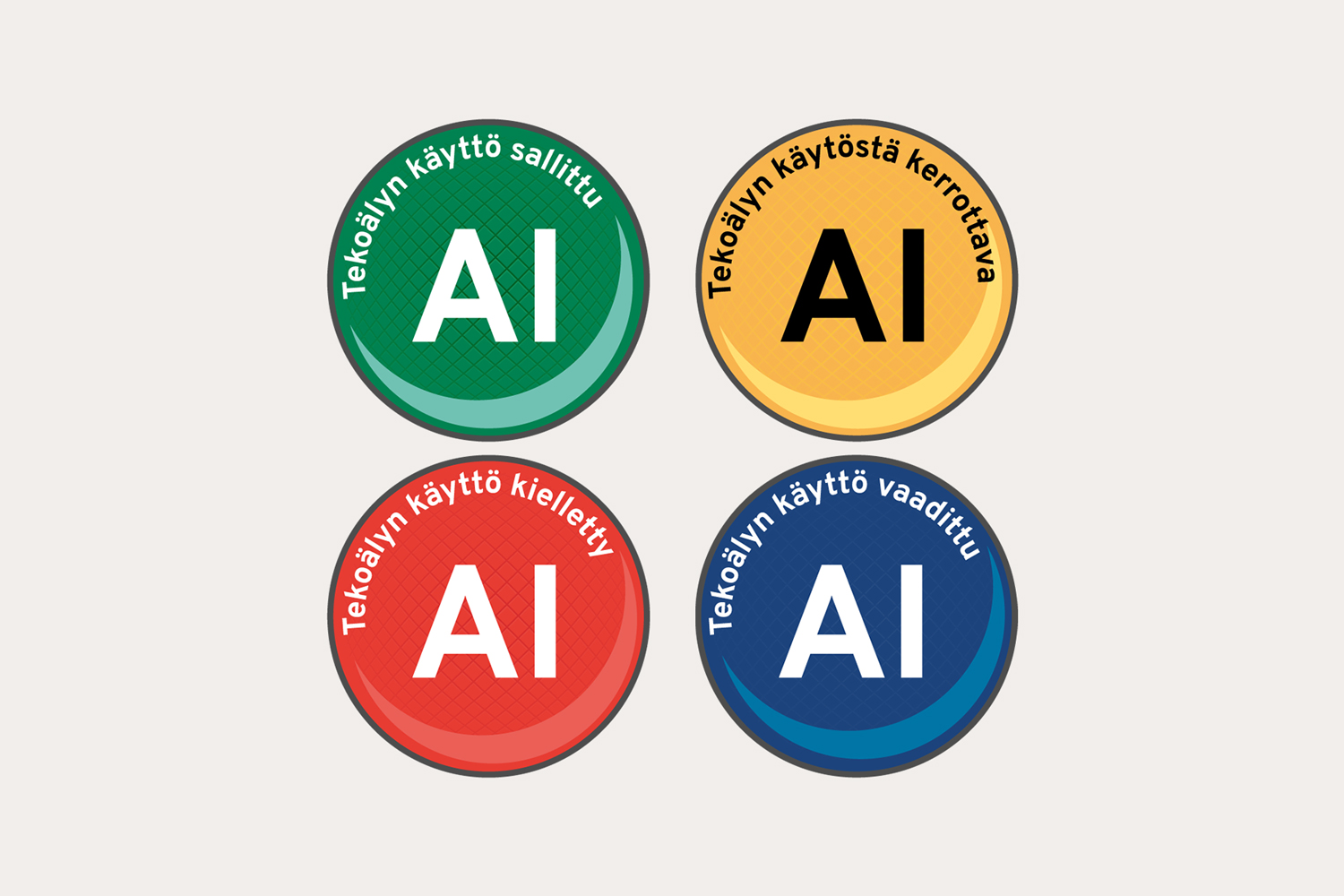
The most significant finding of the survey relates to awareness of the guidelines on the use of AI. More than half of the respondents had never heard of the ‘traffic light model’ used in Tampere’s upper secondary schools, and some students found the guidelines unclear.
According to the students, the rules governing the use of AI should be made much clearer in the courses. Although the guidance provided by teachers is often considered clear, the responses highlight variations between teachers and courses. The survey results show that AI is already part of everyday life for upper secondary school students. The next step is to ensure that all students are aware of the common rules and that AI is used responsibly and consistently to support learning.