
Environmental and Sustainability Education Being Developed in the City of Tampere’s Early Childhood Education and Care Services
All municipal early childhood education and care units in the City of Tampere participated in the evaluation. The evaluation data consisted of responses to a staff survey and self-evaluation discussions conducted within the units. Responses from guardians to questions concerning a sustainable lifestyle in the customer experience surveys for early childhood education and care and pre-primary education were also used.
The evaluation examined, among other things, how nature and the local environment are used, how a sustainable lifestyle is reflected in everyday practices, children’s participation, and the systematic pedagogical planning of activities. The results show that nature and the local environment play an important role in children’s daily lives. At the same time, areas were identified in which practices should be developed in a more systematic manner.
Nature and Sustainable Practices Are Part of Everyday Life in Early Childhood Education and Care
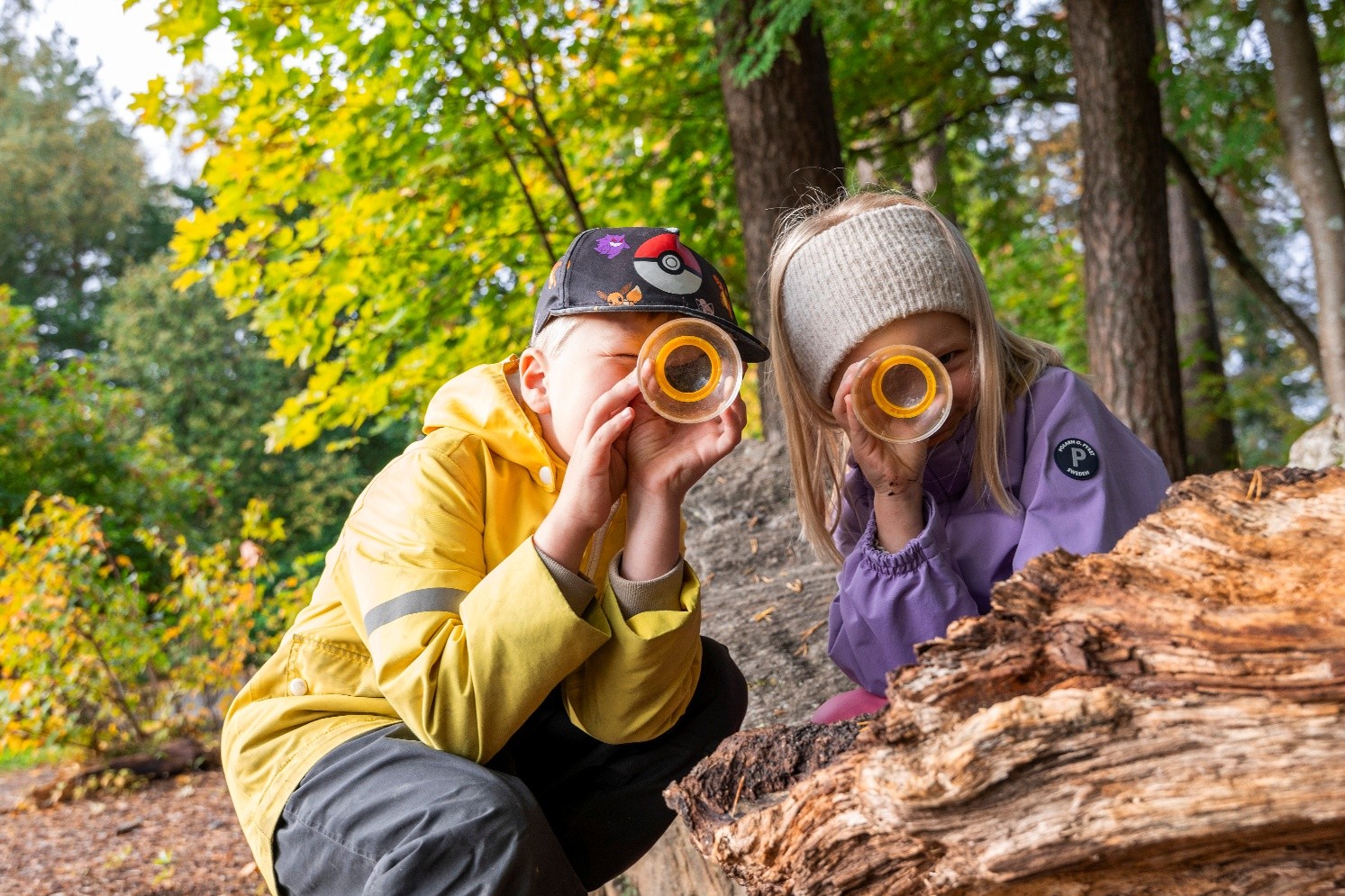
According to the evaluation, nature and the local environment are firmly integrated into everyday activities in early childhood education and care. Regular outings are part of everyday activities, and forests, parks, and outdoor play areas are actively used. Together with staff, children observe, explore and name natural phenomena.
A sustainable lifestyle is reflected, for example, in recycling, waste sorting, reducing food waste and using natural and recycled materials. Staff are motivated to develop environmental education and consider children’s interests when planning activities.
Towards More Systematic Environmental and Sustainability Education
The evaluation identified a need to make existing good practices more systematic, consistent and visible. Development is particularly needed in recycling and sustainable everyday practices, the pedagogical planning of outings, the use of natural materials, the expansion of cultivation and gardening activities, and the strengthening of children’s participation.
Outings will be developed to make them more regular and goal-oriented. In addition to natural environments, the built environment will be used more extensively during outings. Cooperation with guardians will also be strengthened. The aim is to communicate more clearly what environmental and sustainability education means in children’s daily lives and what objectives are set for the activities.
The development of environmental and sustainability education will continue during the 2026–2027 operating year. The implementation of development measures within the units will be monitored through everyday observations, documentation and interim and final evaluations of operational plans, among other methods.
At the city level, progress will be monitored, among other ways, through multidisciplinary working groups focusing on a sustainable future and quality evaluation. Staff will be provided with opportunities for joint discussion and for sharing experiences of implementing development measures across units.


