History of Haihara


Anshelm Grahn was a prosperous businessman
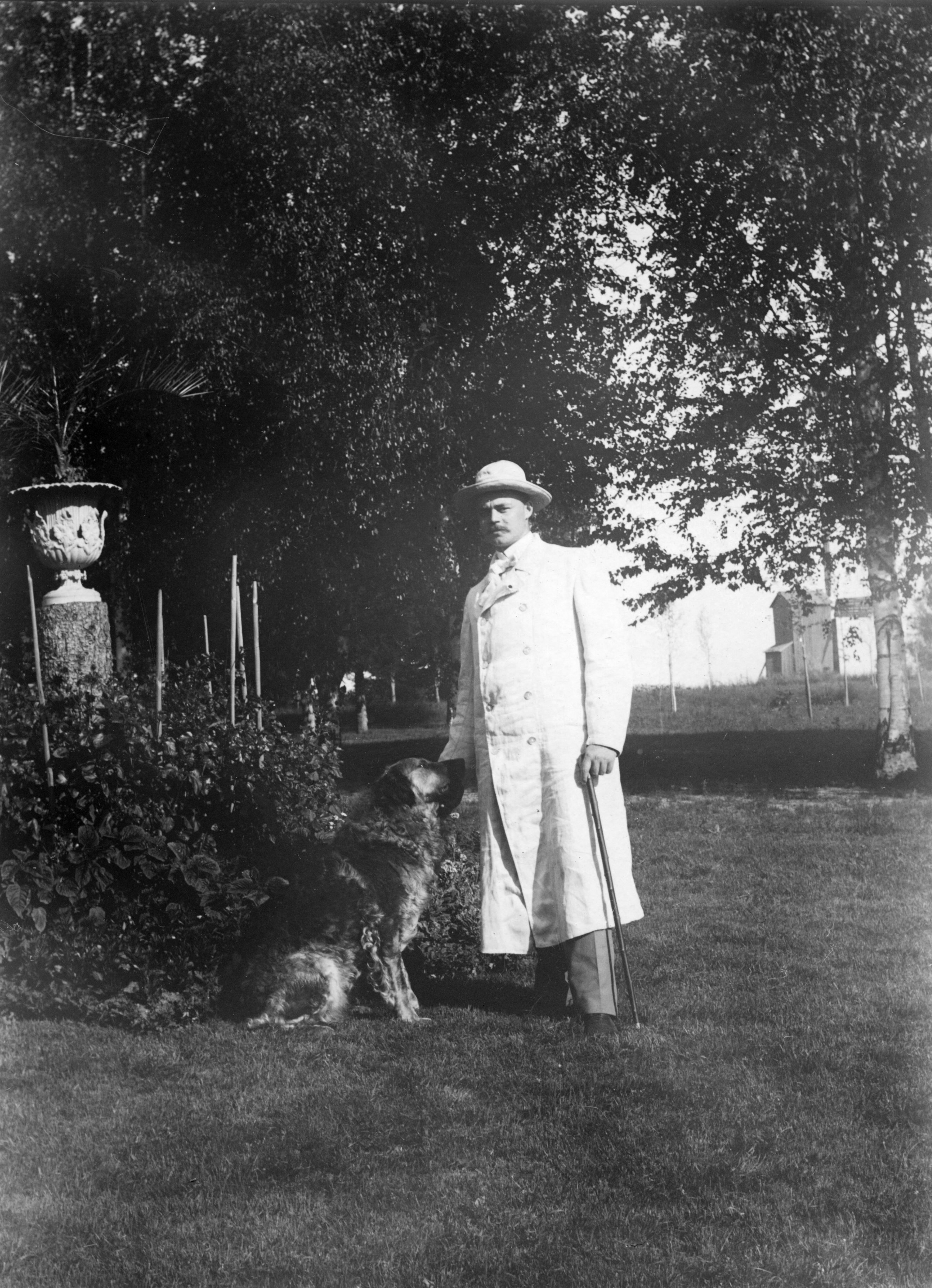
Anshelm Grahn (1825-1895), captain of the Pori sniper battalion, moved to the Tampere area in 1867 to become director of the Finnish Savings Bank. His wife Josefiina died the following year, leaving Anshelm alone with their five children. These were Aline, Jenny and Naema and Torsten Waldemar, who moved to Barcelona, and Elvira. Grahn married Gustava Clayhills (1840-1884) in 1870. Their second son Bertel became the lord of Kaukajärvi Manor and later of Haihara Manor.
Anshelm was part owner of a steamship company and a brewery. He also owned real estate and bought dozens of farms in the surrounding area. He also ran a timber business, exporting timber to Barcelona.
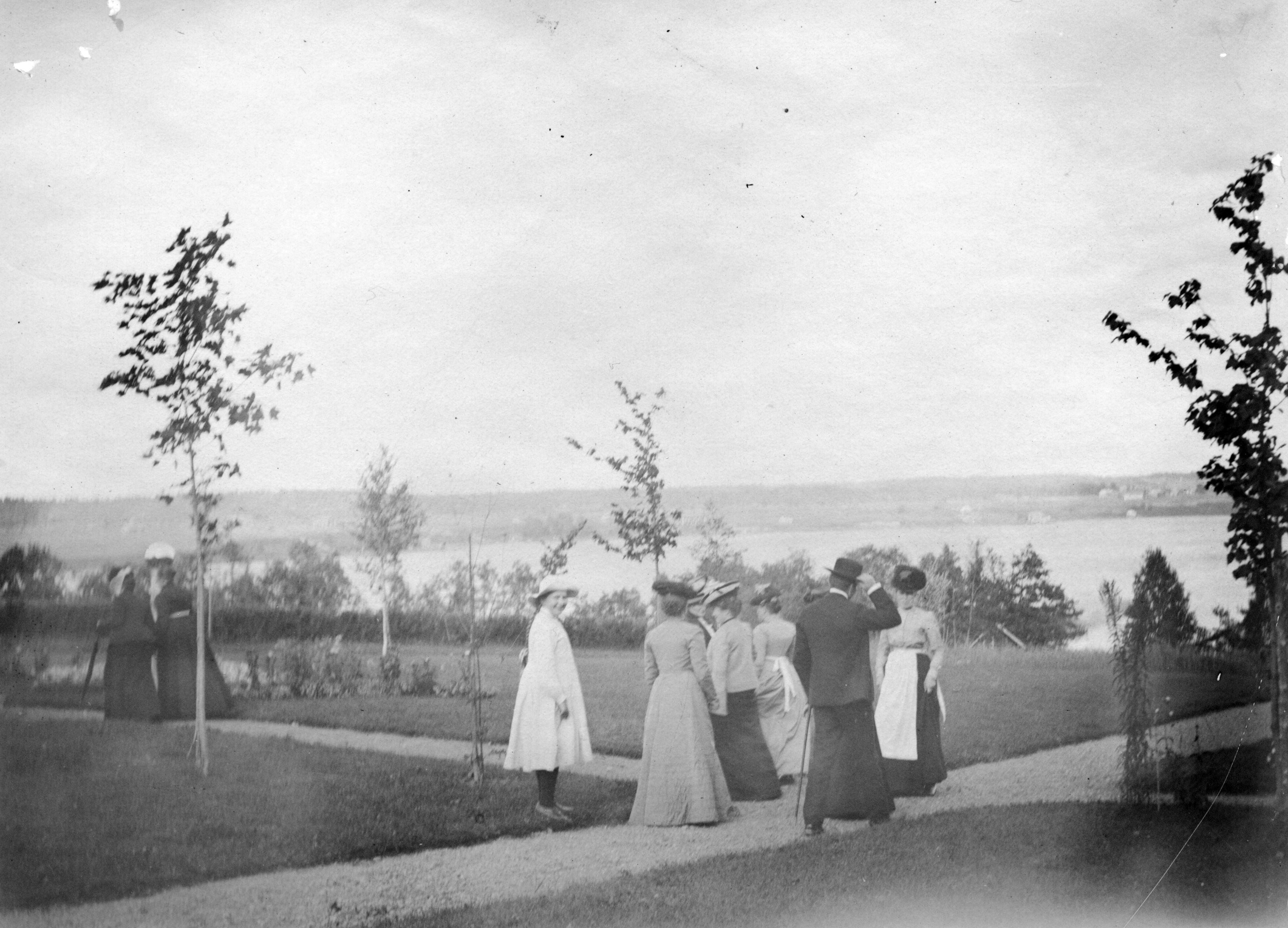
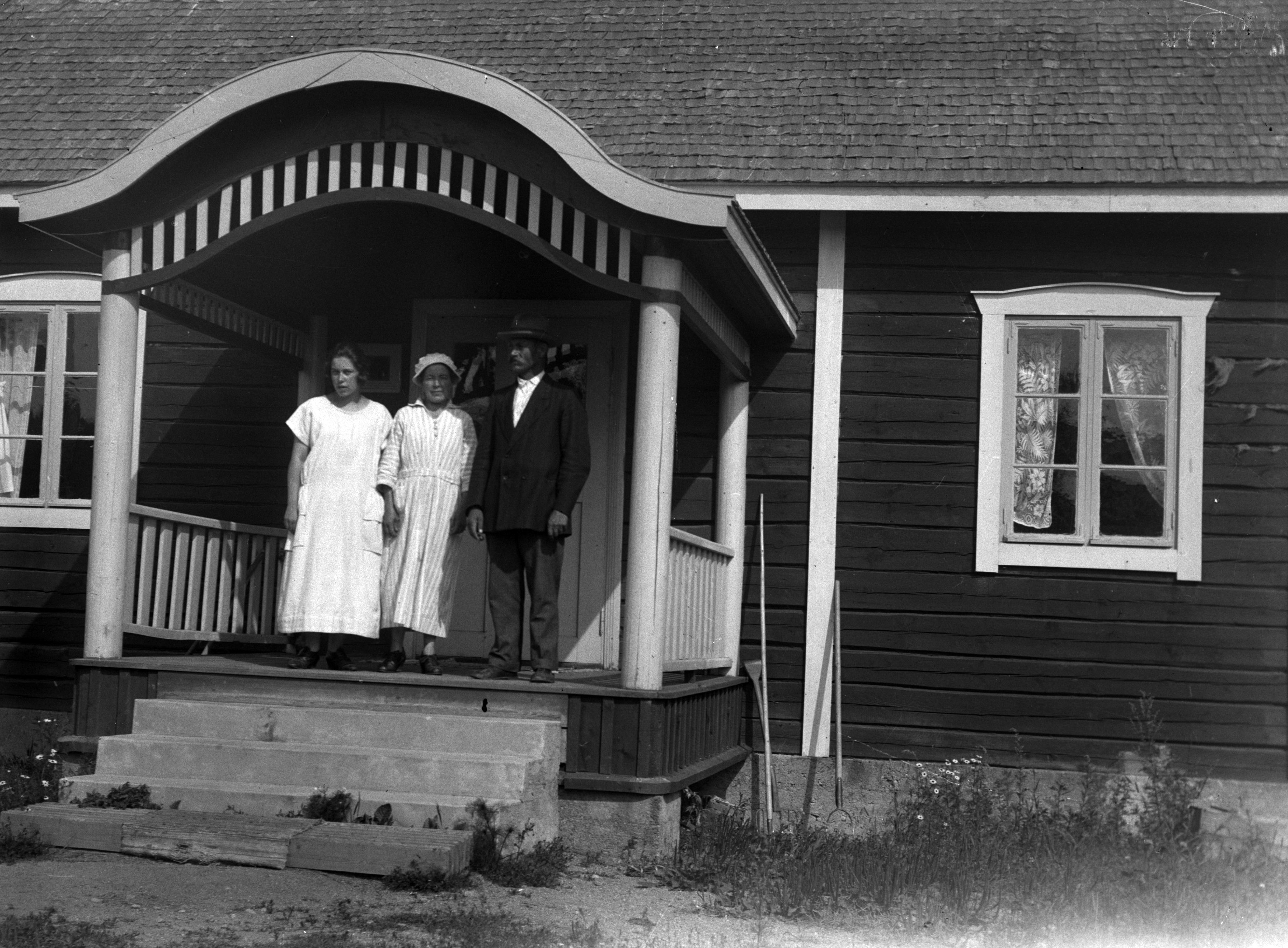
The first mentions of Kaukajärvi settlement date back to 1558 from the Ylinen and Keskinen farms in the village of Haihara in Messukylä. Ylinen became the military post house of the Pori infantry brigade, or puustelli, which Grahn acquired at auction in 1872 for rent. A little later he bought Keskinen, and the settlement was transferred to him. The farm where they moved to became known as Haihara. Grahn built the main building of Haihara in the 1870s. It was originally partly two-storey and had twenty rooms. The upper floor burnt down in the 1940s and the building was converted to its present, single-storey form. When the main building was completed, the lush park of Haihara was also established. A telephone wire was drawn to the mansion in 1885.
In 1886, Grahn bought the adjacent Alasen farm, which had been cut off from the central farm in 1726. The manor thus covered an area of 340 ha, of which 81 ha was arable land. The large farm required a large workforce, although new machinery was purchased as technology developed. During the 19th century, the crops changed from turnips to potatoes, from rye to barley and especially wheat. Horticulture also became more common. Fishing and hunting were also practised for domestic purposes.

The manor flourished during the time of the maidens
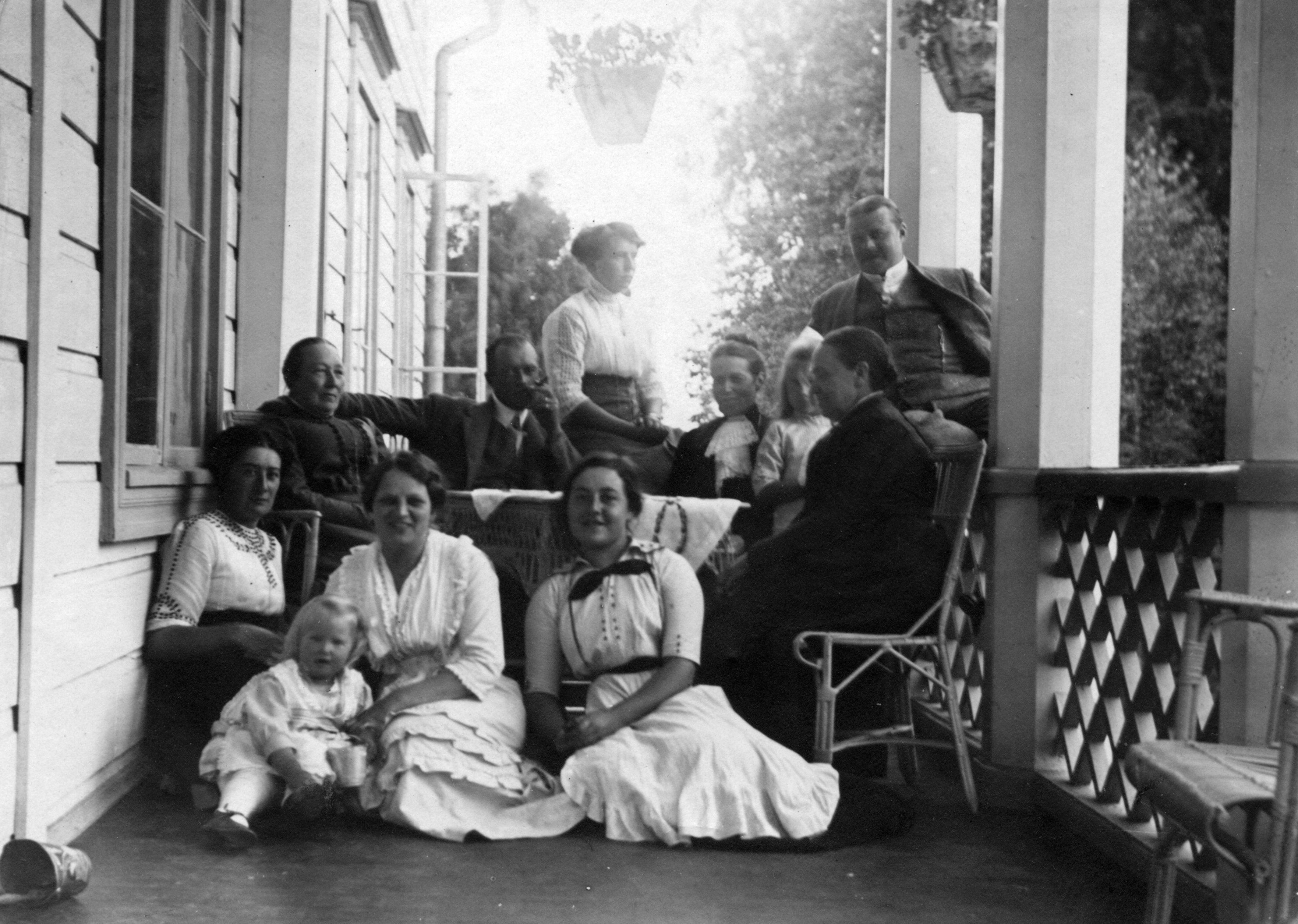
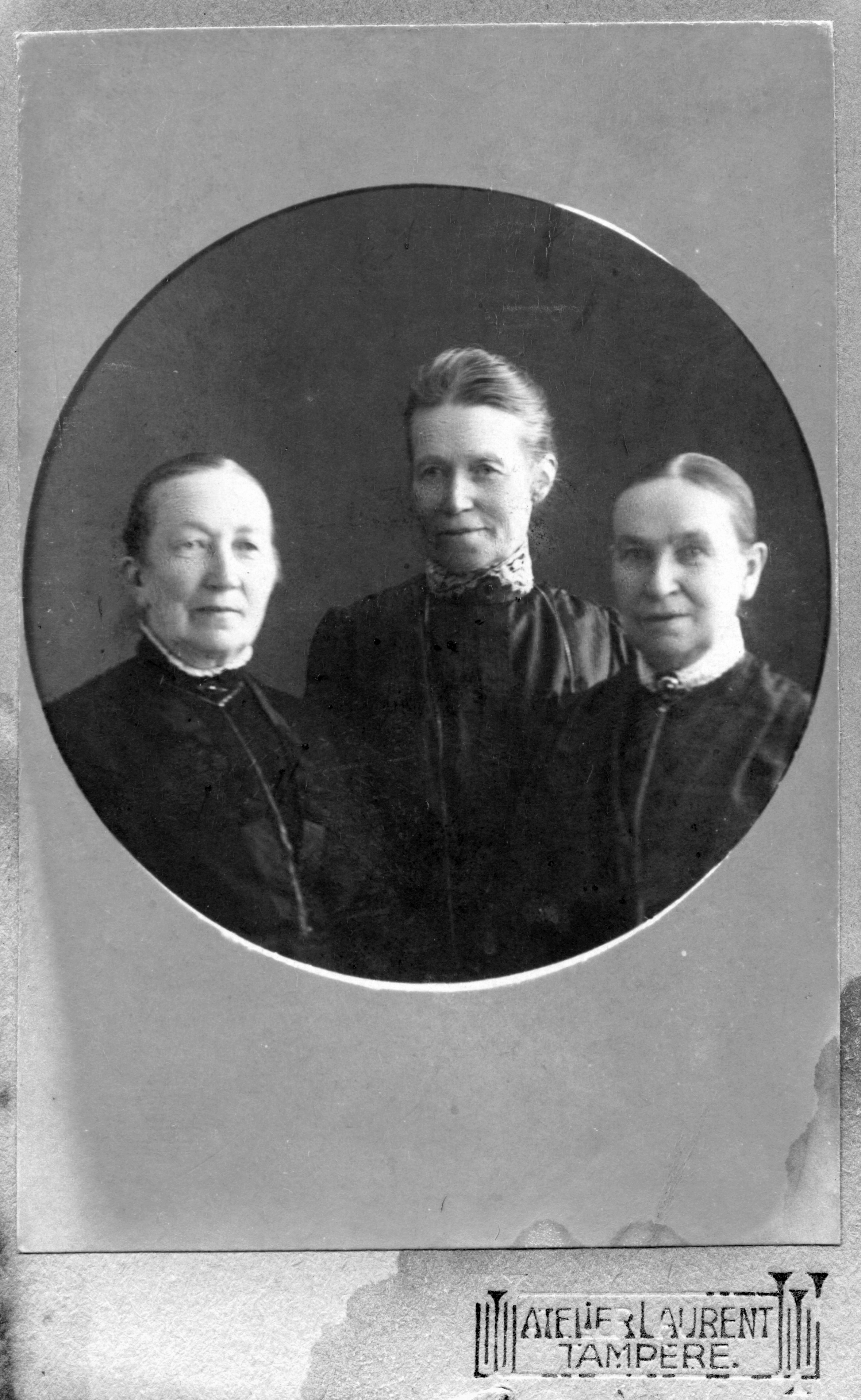
After his father's death, Haihara was taken over by his sisters Aline, Jenny and Naema. During their time, 1895-1932, the manor flourished both economically and culturally.
Aline (1854-1925) was born in Turku, but went to school in Tampere. She also lived in Switzerland, studying German, French and piano.
Jenny (1856-1930) went to Lausanne, Switzerland, to study at the age of 18, but fell ill with lung disease. She treated herself in sanatoria in central Europe.
Naema (1858-1932) was educated in Turku, but remained in Tampere for the rest of her life. He was very talented in mathematics and took care of the siblings' accounts and taxes. Rumour has it that Naema experienced great love, but her family considered her husband a fortune hunter and prevented her from marrying.
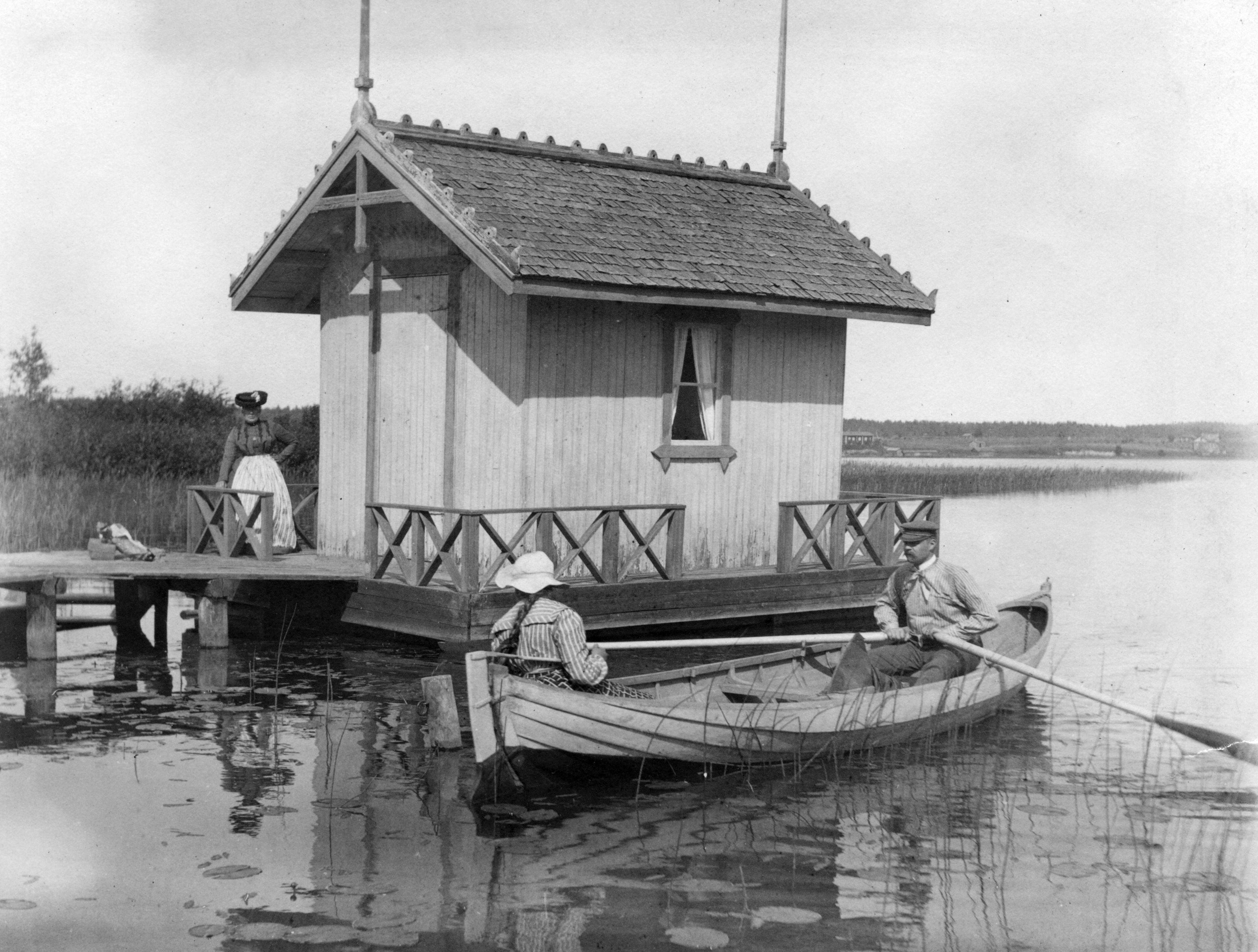
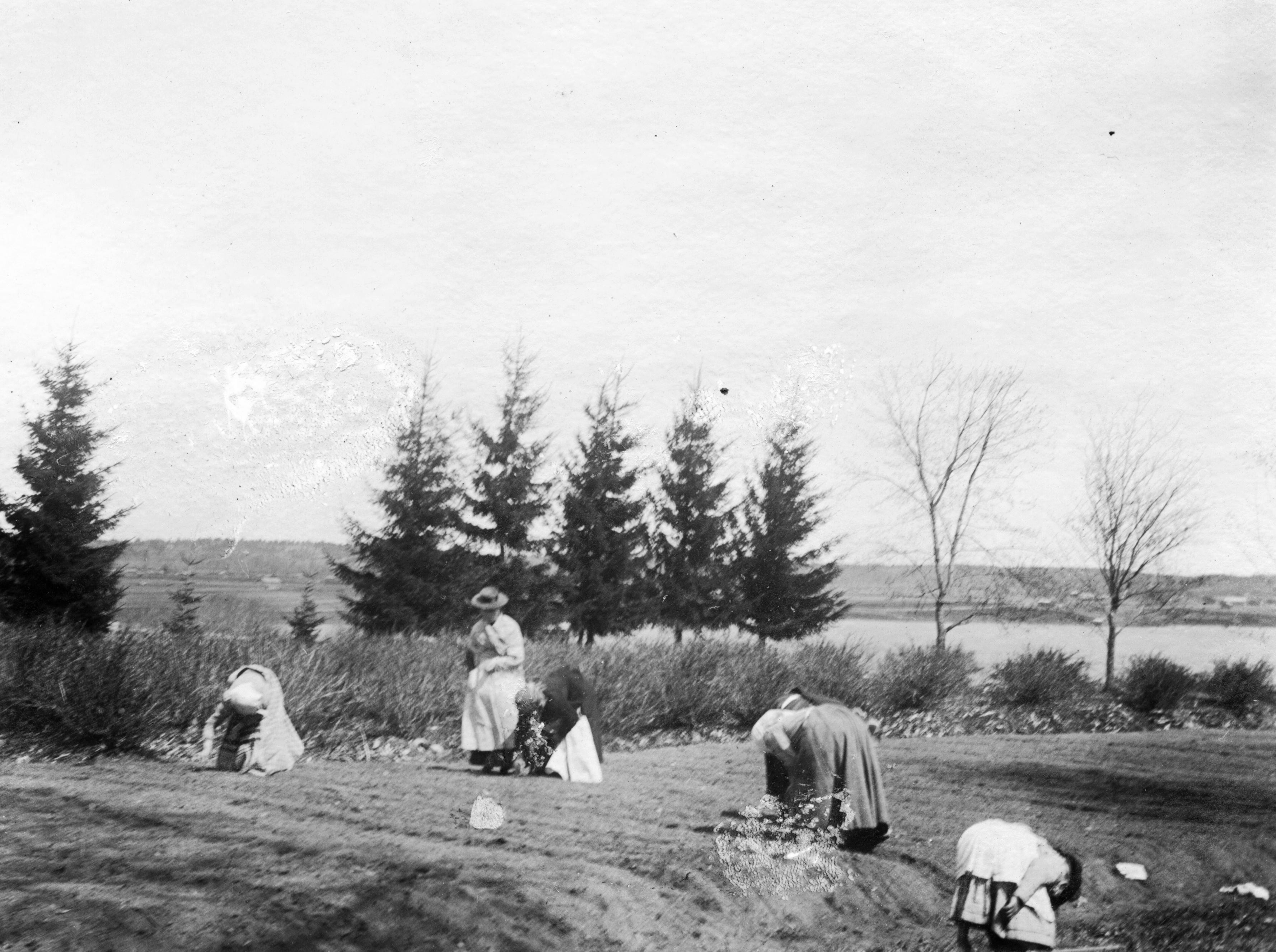
The sisters remained unmarried, concentrating on their family. Aline took care of the cowshed and Jenny of the baking. Naema looked after the garden, which included a large herb garden.

The work of the day was shared in Väentuva
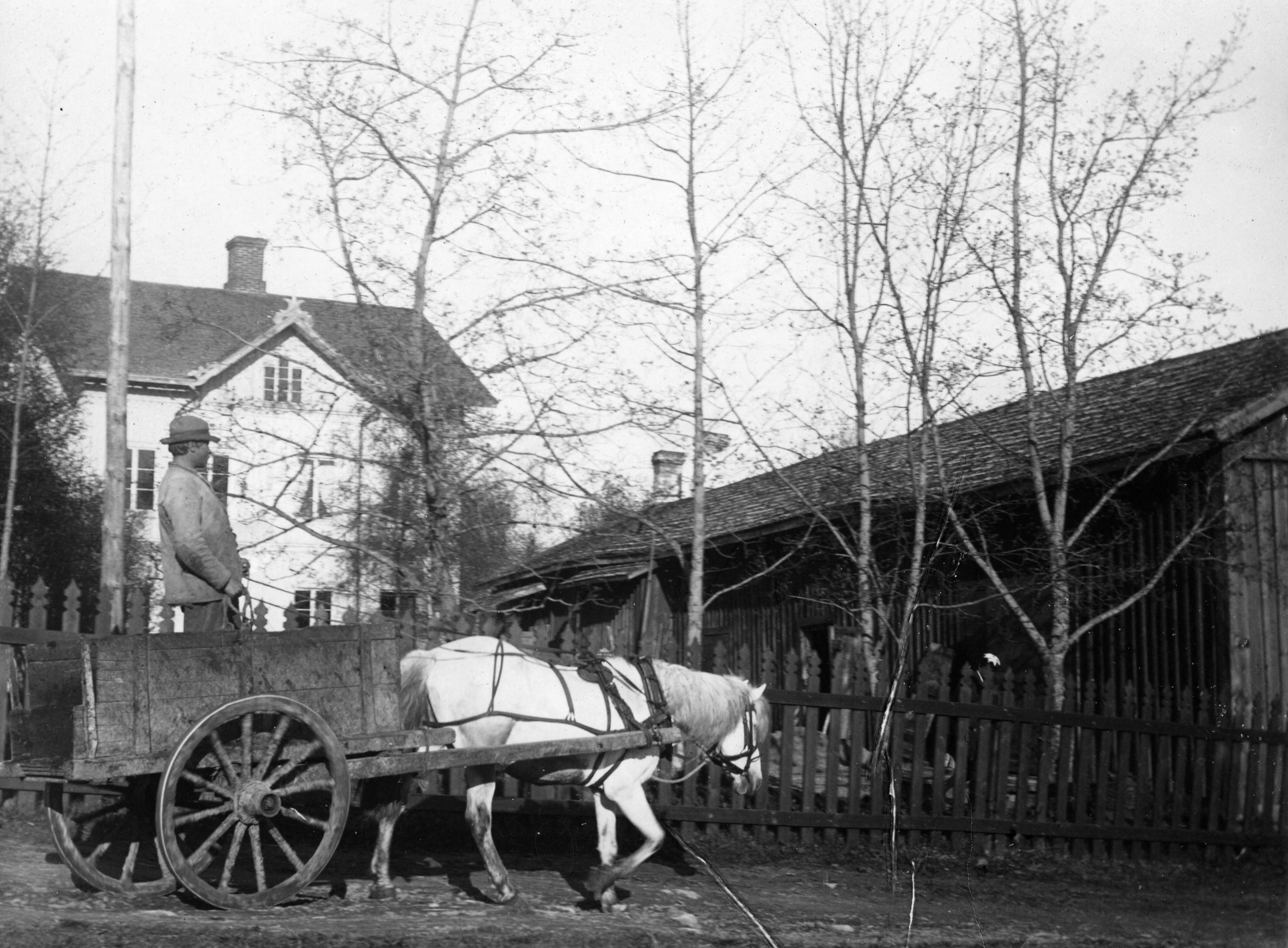
The Haihara manor's Väentuva was built in 1811 by Mikko, the son-in-law and master of the Keskinen house. It was a multi-purpose building, which was partly a servants' quarters, a dining room and a command room. At 7 a.m. the foreman, who had the main responsibility for the farm, assigned the day's work to the workers: to the fields, to the vegetable garden, to the forest to fetch firewood or to cut logs. The work on the farm varied according to the season. In Haihara there were ringers, stablemen, shepherds, maids, herdsmen and their assistants, gardeners and domestic servants. The shepherds and herdsmen who lived in the herd house rose before 4 a.m. to feed, wash and brush the cows before milking. Milking was at 4 o'clock in the afternoon. The milk was transported to Tampere at 7 a.m. and sold to several fair villagers along the way. The driver was Hanna Muula for a long time. On top of that, the cattle herd had to look after the calves, sheep and chickens. The stable boy also had to get up before the others. She fed and brushed the horses ready for the day's work. After receiving instructions from the driver, the drivers watered their horses themselves before leaving for work. The stable ring still had to clean the stable and barn and fetch the next day's feed. The new steward always started as a stableman and dreamed of becoming a groom, who didn't have to come to work until seven o'clock. The millers lived in their own cottages a short distance away, and might have a small plot of land of their own to cultivate and some livestock to keep at home.
The cottage also served as a workshop for making and repairing, with planing benches. It was the birthplace of axe handles, wooden spoons, spikes, saws, sledges and children's cradles. Harnesses for horses were also made and repaired in-house. There was even a loom in the room. The maids must have also done spinning and sewing work there, both for the house and for their own use. And the rings had made coffins to store their belongings.

The family gathered to celebrate
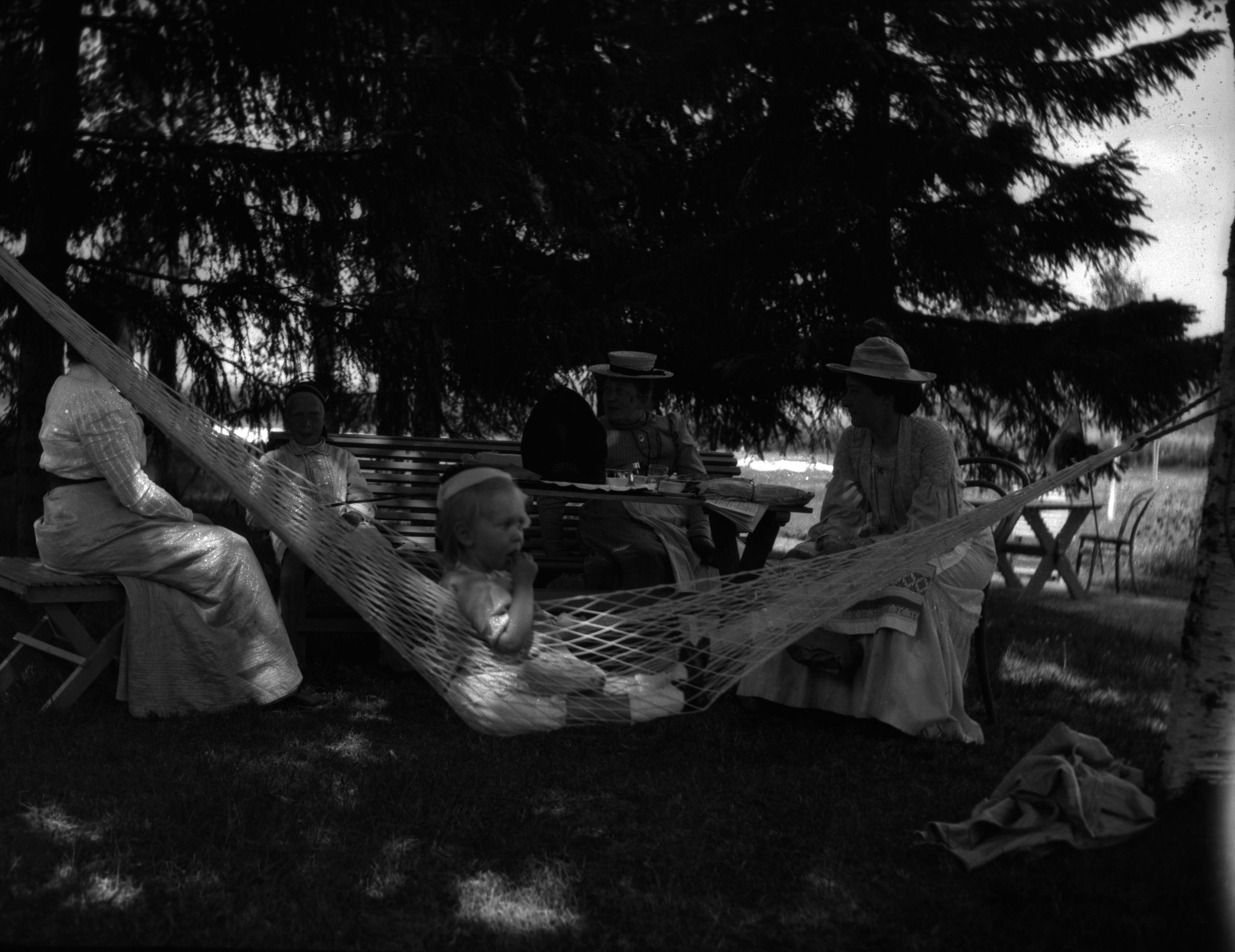
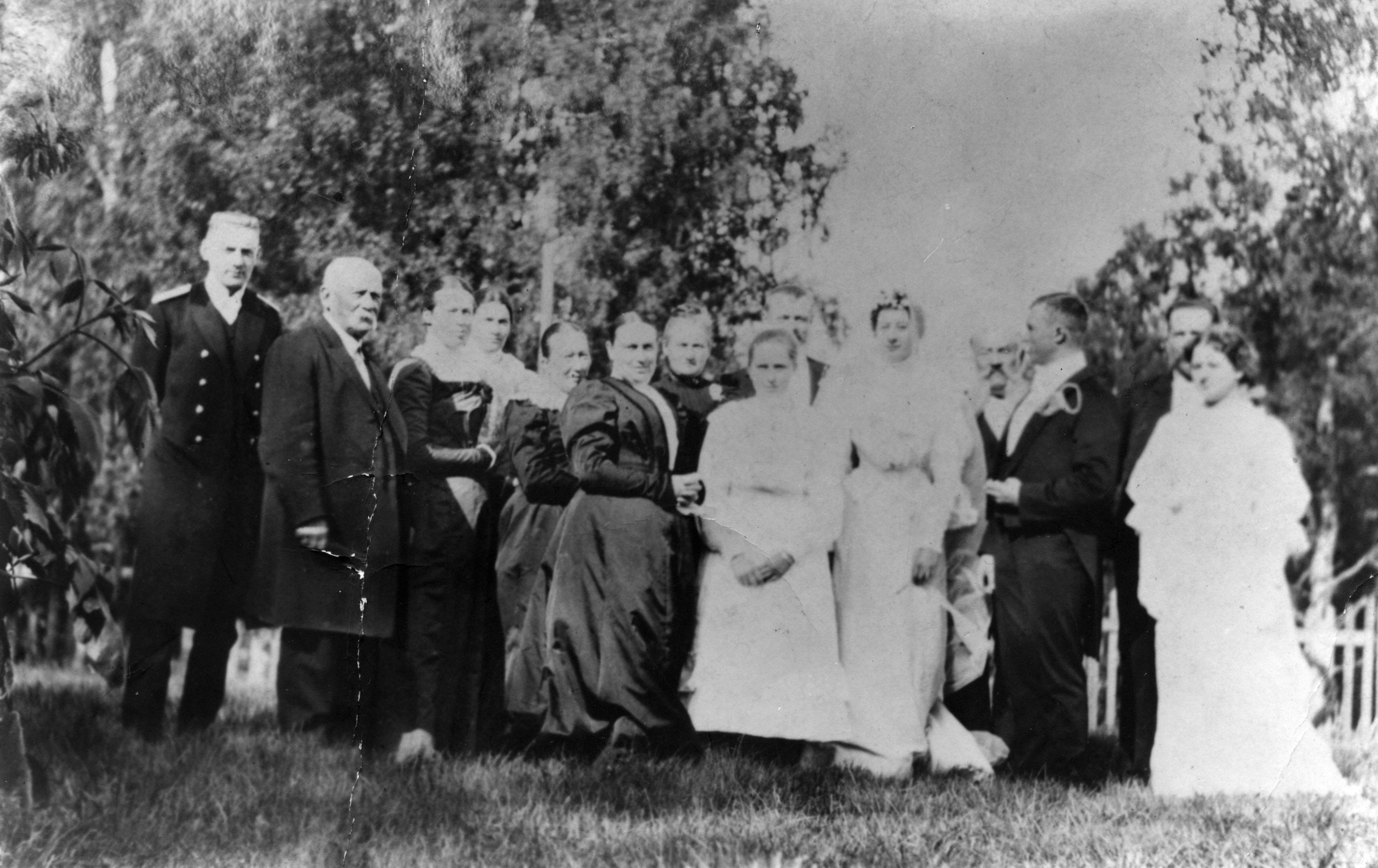
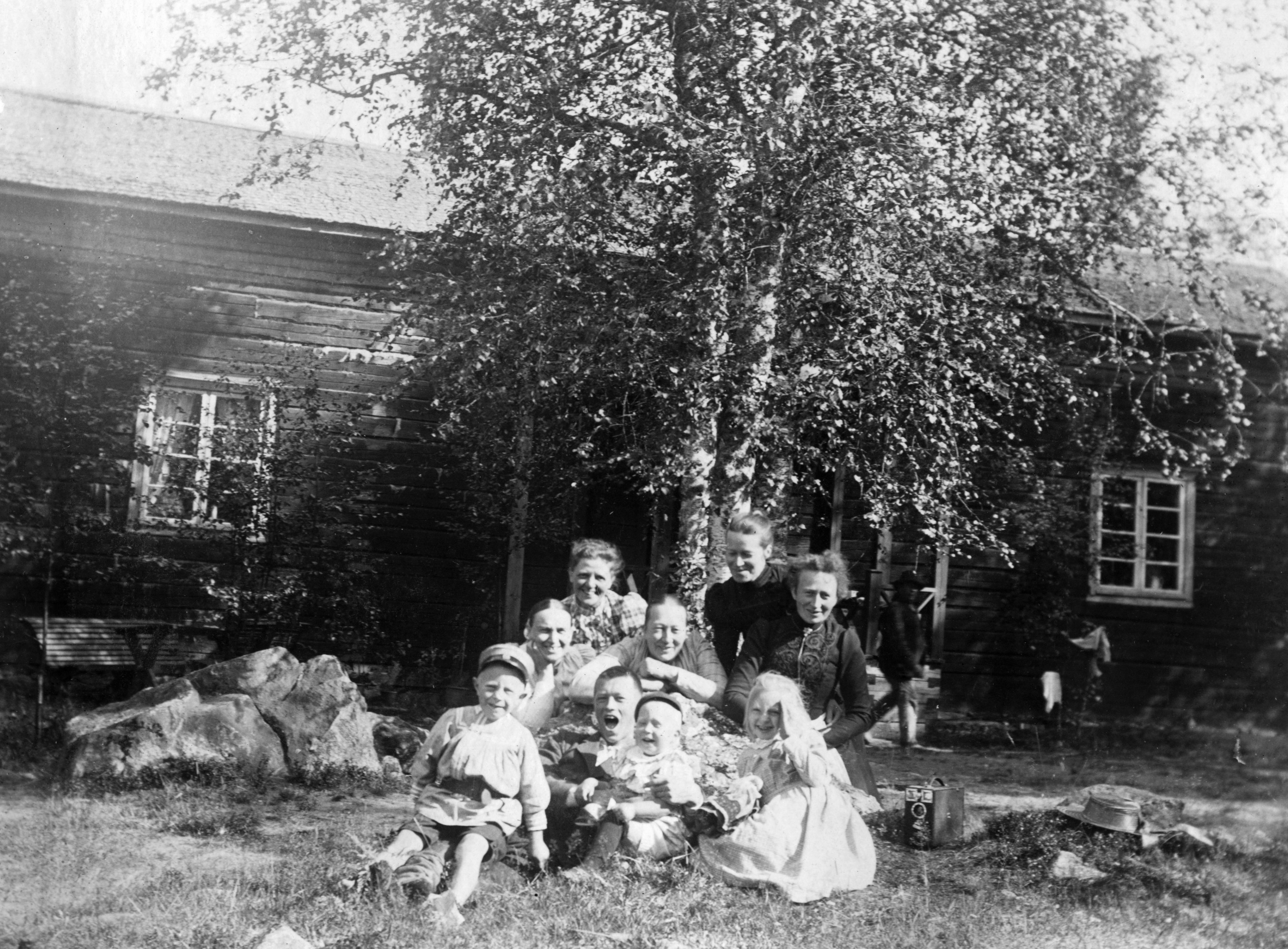
At its peak, the farm had over forty cows, other livestock and fourteen horses. Farming on the estate was profitable, and for many years the farms were among the top ten in Messukylä in terms of tax revenue. They were interested in the arts and belonged to art societies as supporting members. Family members kept in touch with each other at least by letter. The family would get together to celebrate, for example, at Christmas. On Christmas morning, a sleigh would take the Vilusenharju to the church in Messukylä. Christmas presents were distributed to the recipients and, together with the people of Bertel's Kaukajärvi Manor, a party was held on Boxing Day and a dance on New Year's Eve. The third party was held on Midsummer Eve. The closest people to the maidens were the domestic service. The sisters have since been praised as fair mistresses and for the warmth of their time.
The last of the maidens died in 1932 and Haihara passed to Bertil Grahn. He passed it on to his daughter Gunvor Grahn-Ekroos in 1940. Gradually, the farm ceased to be managed and in the 1960s the suburb of Kaukajärvi was built around the manor. Gunvor Grahn-Ekroos bequeathed Haihara to the City of Tampere, and it became the current art centre. Väentuva became a summer café run by the Satumatto ry, which supports Haihara's puppet theatre.


Gunvor's time
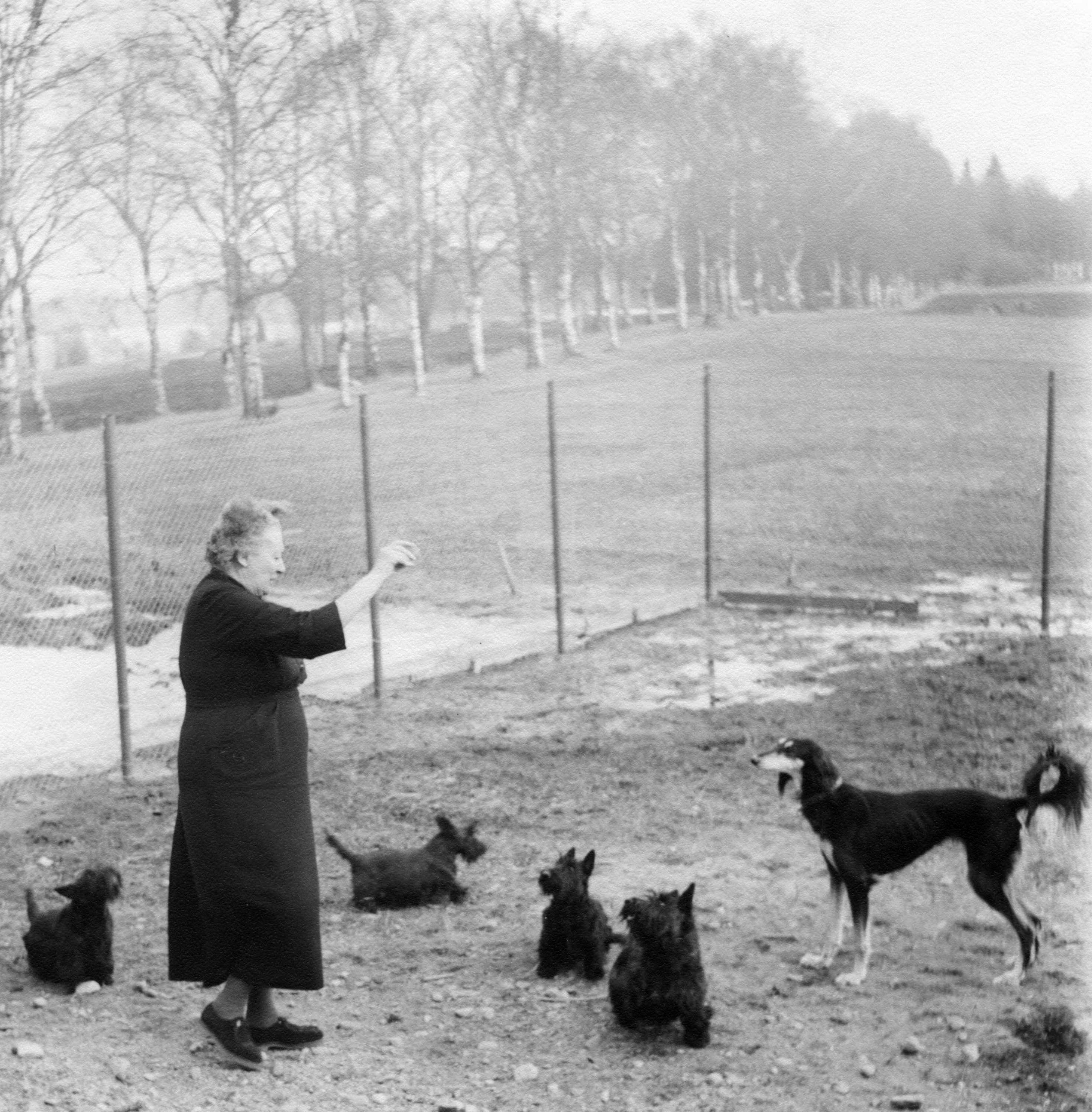
In 1932, the last of the Frökökynäs died and Haihara passed to Bertil Grahn. In 1940 it was passed on to his daughter Gunvor Grahn-Ekroos (1907-1982). Gradually the farm ceased to be managed and in the 1960s the suburb of Kaukajärvi was built around the manor. In 1966, Gunvor established a doll and costume museum on the site, which later moved to Hatanpää Manor and eventually became part of the Vapriikki collections. The most recent "Nukkekekkerit" exhibition was at Vapriikki in 2016-2019, celebrating the 50th anniversary of the doll museum. Gunvor also founded Finland's oldest continuously operating puppet theatre in 1969. The practical arrangements for the Haihara Puppet Theatre were made by Ekroos' friend, textile artist Anneli Kuronen Gunvor bequeathed Haihara to the City of Tampere, and it became the current Art Centre. Väentuva became a summer café run by the Children and Young People's Satumatto Association, which supports the Haihara Puppet Theatre.
Blue maiden carrying a tray
The ghost of Haihara Manor is the Blue Maiden, whose identity is unknown. Seen even by Haihara's maidens, the maiden wears a blue dress, a white apron and red cheeks and carries a tray in her hand. Her feet are not visible, but her footsteps are clearly audible. Sometimes the whole maiden is invisible. There is only a squeak from the stairs, a rush of air, the door opens and closes.
According to one story, the maiden had been a maid in the manor house who fell in love with a man who was a guest and became pregnant, but after he left she drowned on the shore of Kaukajärvi. There are different versions of the story, one of which claims that the girl lost a leg in the killing, and that is why her legs are not visible.

The Runebergs spent the summer at Kaukajärvi
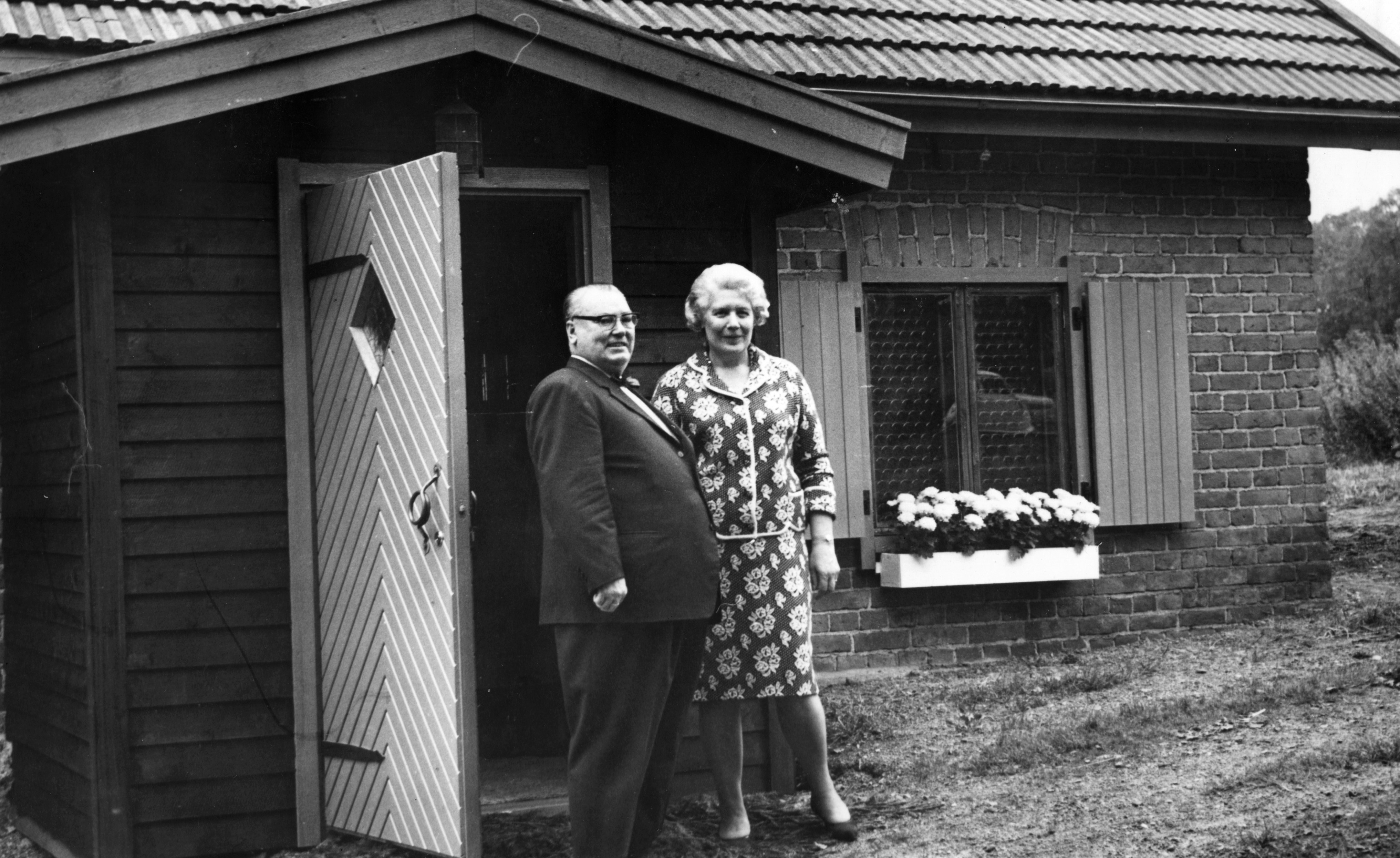
The building known as Runeberg's cottage in the courtyard of Haihara Manor originally belonged to the Ylinen estate. Augusta Lundahl invited her friend and schoolmate Fredrika and her husband Johan Ludvig Runeberg to Tampere in the summer of 1833. The Runebergs had married a couple of years earlier. Their first child had died when he was only a year old, and the poet couple came to Tampere to recover from their grief. They spent part of their holiday at the Lundahls' rented farm in Kaukajärvi in the parish of Messukylä. They fell in love with the area so much that they wanted to come for the whole summer the following year and rented a cottage in Ylinen's wooden cellar from Lundahl. Mrs Fredrika was recovering not only from grief but also from her own illness. She told that the Runebergs intended to spend the summer as carefree as birds on a branch. At least that's what Johan Ludvig did. He often fished, swam and hunted with his Augustan brothers. He also worked, for in the autumn of 1834 he also published a poem called Pilven veikko, which appeared in Vänrikki Stool's stories. The events described in the poem may have taken place around the old church in Messukylä.