
Relief from the heat: A map of cool spots and drinking water fountains
Where can you find shade, a cool indoor space, or drinking water on a hot day? The City of Tampere has put together the answer on a map: the new “Cool places and drinking water” page guides residents to places where they can cool off in different parts of the city.
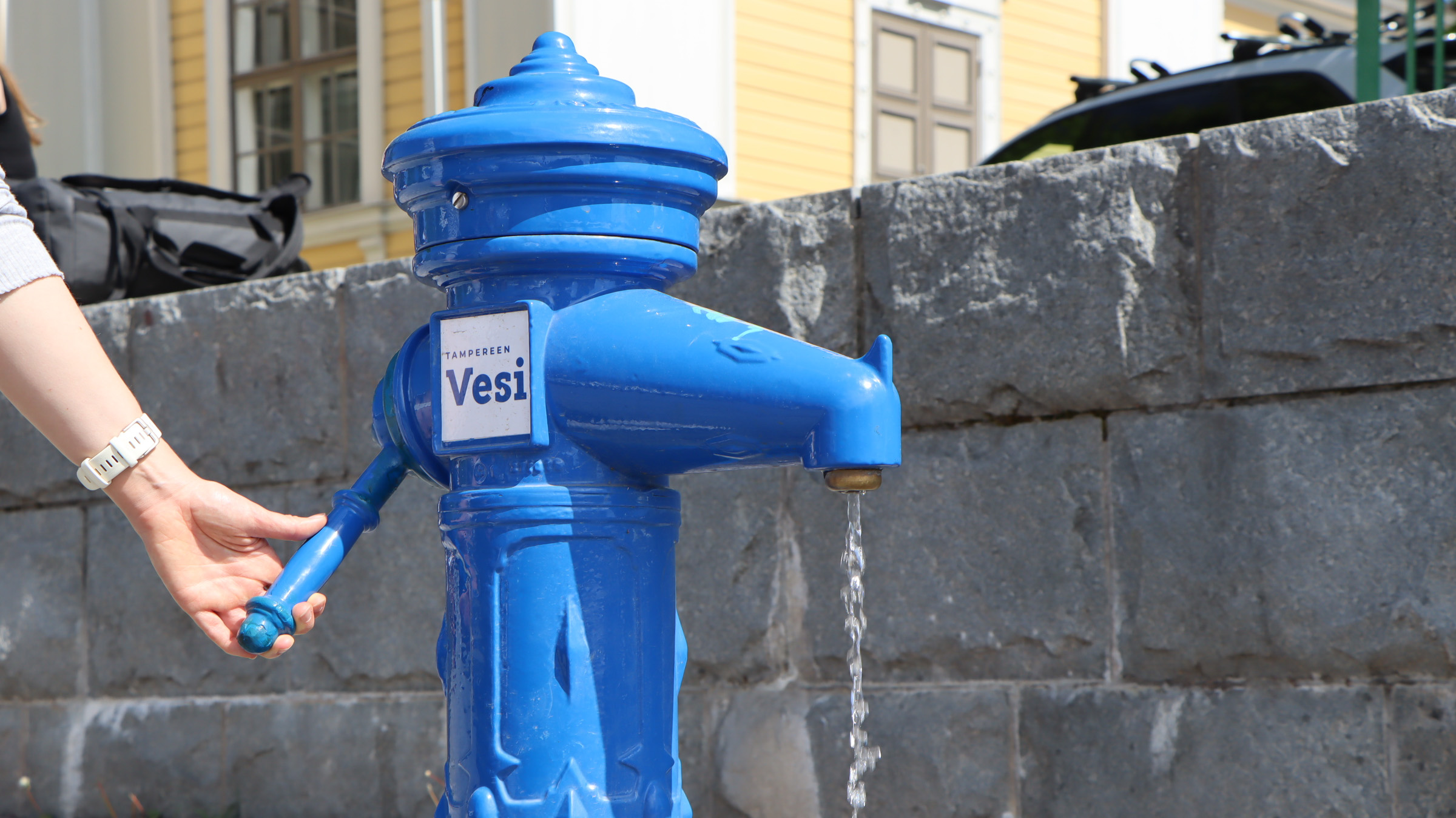
Cold drinking water is available free of charge from Tampereen Vesi’s water fountains. The fountains are located at Keskustori, Laukontori, Tammelantori, and Pyynikki Beach. Water is also available at Kulttuuritalo Laikku and the City Hall.
The “Cool places and drinking water” website collects places and services suitable for cooling off during heat waves on a map. The map brings together free, air-conditioned public indoor spaces where people can spend time during heat waves. These include, for example, certain libraries and cultural spaces around the city. The map also shows Tampereen Vesi’s drinking water fountains as well as city-maintained beaches where you can cool off by taking a dip in the water.
The map also includes green spaces where, based on Tampere’s heat island study, surface temperatures on hot days are approximately 4 degrees cooler than the surrounding area. Vegetation and bodies of water provide shaded areas that are cooler than the built environment due to evaporation and reflectivity.
Many shopping centers and cafes in the city are also air-conditioned, but at this stage, the map only includes the city’s own facilities. An English version is also available on the website.
More hot days than before, and for several days in a row
Climate change is also evident in the Pirkanmaa region in the form of an increasing number of hot days and prolonged heat waves. With this map, the city offers a concrete tool for everyday life in situations where the heat makes it difficult to cope, especially when temperatures remain high for several days in a row.
Similar maps directing people to cool places and heat relief have become more common across Europe in recent years. For example, Barcelona maintains an extensive “Climate Shelter” map that lists hundreds of places suitable for cooling off.
How to prevent the health risks of a heat wave
Prolonged heat increases the risk of dehydration and heat exhaustion, and in the worst cases, can lead to heat stroke. Heat can also worsen existing heart and respiratory conditions. The elderly, children, people with chronic illnesses, those who do physical labor, and people who live alone are particularly vulnerable to the effects of heat.
Preparing for heat waves comes down to basic everyday precautions: drinking enough water, staying in the shade or in cool places, and avoiding hard physical exertion during the hottest part of the day. Wearing light clothing, protecting yourself from the sun, and eating regularly help you cope. It is also important to look out for loved ones, especially those in high-risk groups.
It’s a good idea to air out your home especially at night and early in the morning, when the outside air is cooler, and to keep windows and curtains closed during the hottest part of the day. Direct sunlight should be blocked using, for example, blinds, curtains, or external sunshades. You can lower your body temperature by taking cool showers, chilling your sheets in the freezer, or spending time in the cooler rooms of your home.
In addition, it’s a good idea to reduce the use of non-cooling electrical appliances and household devices during the hottest parts of the day, as they generate additional heat indoors.
Further information
Annika Kettunen
Map of cool places and drinking water Planning OfficerPhone:
040 687 7336Email:
[email protected]


