
A remarkable discovery was made during scientific research of Karin Månsdotter’s grave
The grave of Queen Karin Månsdotter (1550–1612) of Sweden is currently under scientific investigation at Turku Cathedral. The research is part of an exhibition project carried out by the Museum Centre Vapriikki, and it aims to generate new knowledge about the life of Karin and her family using modern scientific methods. The exhibition is scheduled to open in 2028.
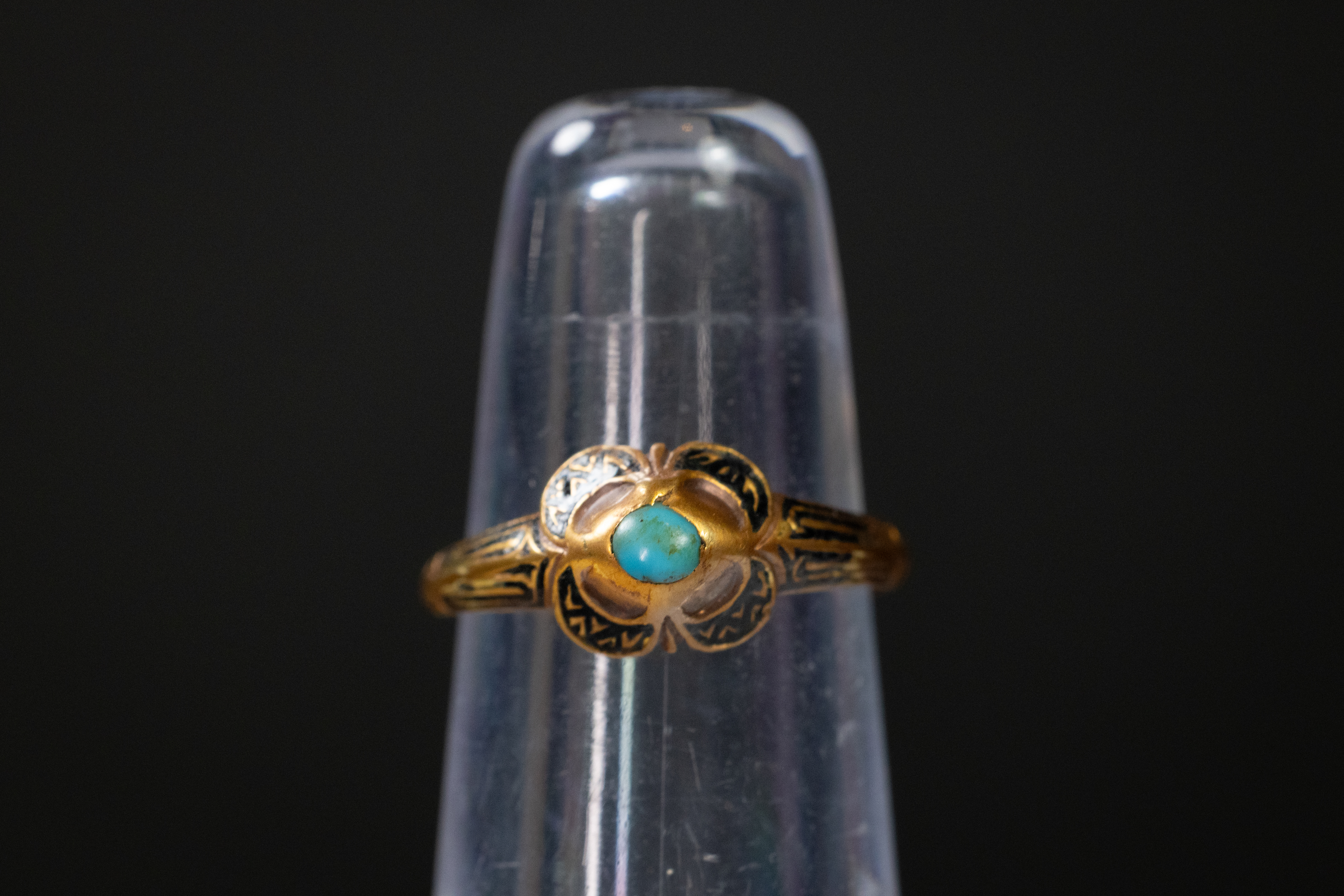
During the first week of research, researchers made an outstanding discovery: a gold ring worn by Karin herself. The find is historically significant, as no other personal belongings of the queen are known to have survived to this day.
Karin Månsdotter’s grave was last opened in 1867. At that time, silk fragments were found on the abdomen of the partially mummified body and interpreted as evidence of embalming. This new analysis has shown that the fragments were part of a rat's nest, and that the fabric remains had been gnawed from Karin’s burial garments. Another similar nest had protected one of her fingers, which still had the ring attached to it.
"Rings of this kind were luxurious and highly fashionable among the upper classes in the 16th century," explains researcher Ulla Nordfors.
"We are delighted and happy to add such a treasure to the collections of Turku Cathedral Museum," says Dean Aulikki Mäkinen from Turku Cathedral.
"When the museum reopens after the Cathedral’s renovation, the ring will be on display there," Mäkinen promises.
The ring will also be featured in the exhibition about Karin Månsdotter at Vapriikki in 2028.
The research project examines also the graves of Karin and Erik XIV's daughter Sigrid Vasa, as well as an unidentified child.
"The age estimate based on the bone analysis of the child corresponds to that of Karin and Erik XIV's son, Henrik, who died around the age of three, and was buried in the Cathedral," Nordfors notes.
"However, only DNA analysis will confirm whether the remains are indeed those of Karin and Erik’s son.”
The Vapriikki team has also conducted bone and textile research and collected more than hundred microscopic samples for laboratory analyses. The research results are expected within two years.


