
Tampere Biennale programme published
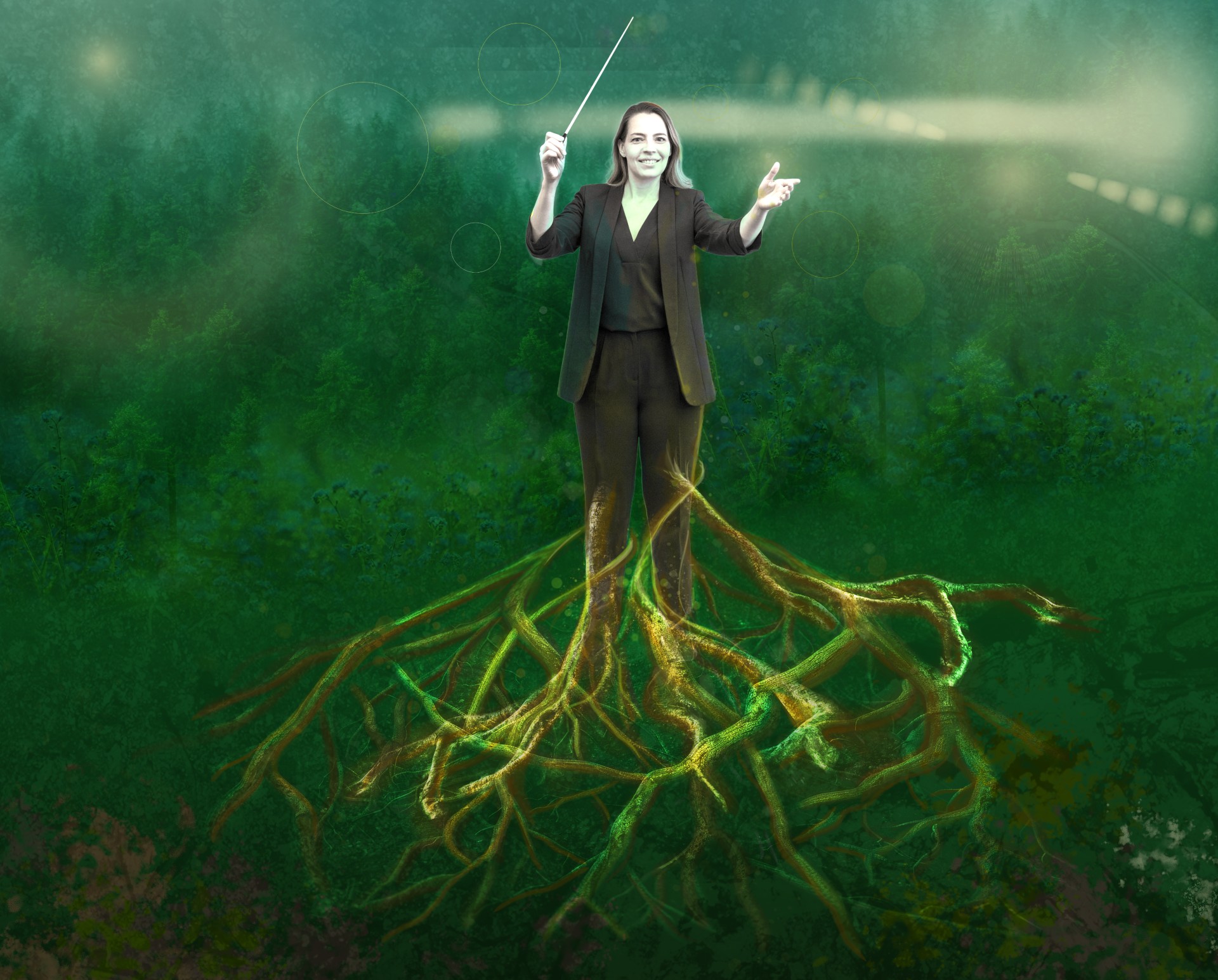
Conceived by composer Usko Meriläinen in 1986, the Tampere Biennale has come to be known as a stylistically broad-minded showcase for Finnish composers. The festival embraces interdisciplinary artistic approaches and bold experiments, introducing art music and audiences to novel environments.
In this anniversary year, the programme features more than 30 world premieres, a record-breaker for the festival. Diversity is highlighted as a strength of contemporary music overall.
– Contemporary music is music of the world in which we live. The Tampere Biennale brings together creators from various generations, cultures and branches of the arts — roots, shoots, saplings — and invites audiences to encounter what has been, what is now and what may be, says Minna Leinonen, artistic director of the festival.
The programme is heavy on crossover collaboration. Folk musician Maija Kauhanen and the contemporary art music saxophone quartet Saxtronauts join forces for the first time, as do Sámi musician Ánnámáret and new music specialists Uusinta Ensemble.
Projects combining various branches of the arts include Secret Flowers, an evening of contemporary music theatre directed by Aleksi Barrière based on classical Japanese Noh theatre. The promenade concert concept, combining spoken word and contemporary music at the Sara Hildén Art Museum, was excellently received at the previous festival. Now it is back with a performance by actress Ella Mettänen and flautist Malla Vivolin titled Muuttolintuja [Birds of Passage], framed by the graphic art of Pentti Kaskipuro on display. Tea/Time & Love at Nekalab is a multi-sensory theatrical experience merging contemporary music, early Japanese and Chinese music and the taste of tea.
Another kind of arts encounter can be found in the sound walk concept developed by Minna Leinonen. This year, it is presented as a walk in the unique environment of the Pyynikki nature reserve and is titled Taikatie [Magic path]. The walk features a pre-recorded soundtrack to which participants listen on their own mobile devices, with music by composer Pietari Kaasinen and text by author Anni Kytömäki, narrated by actor Hannu-Pekka Björkman. The work explores layers of time around Pyynikki ridge, meditating on the place of humans in nature and history.
Arts education is again a prominent part of the Tampere Biennale. Taikatie [Magic path] is available not just to festivalgoers but also to some 1,000 schoolchildren in Tampere, as part of the Taidekaari cultural education programme. Music by Jonne Valtonen is played on the break bell at Pyynikintie school and on the Frenckell carillon. The preview event on 8 April showcases the fruits of an academic year of collaboration between three local music education institutions and the Tampering Ensemble.
In all, the festival programme includes 15 concerts, Taikatie performances, a seminar held by the Society of Finnish Composers, a masterclass and public lecture given by the festival’s international guest composer, Agata Zubel, plus exhibitions and urban art.


