
Finnish language courses among the most popular this spring at the Adult Education Centre – registrations have increased fivefold in under five years
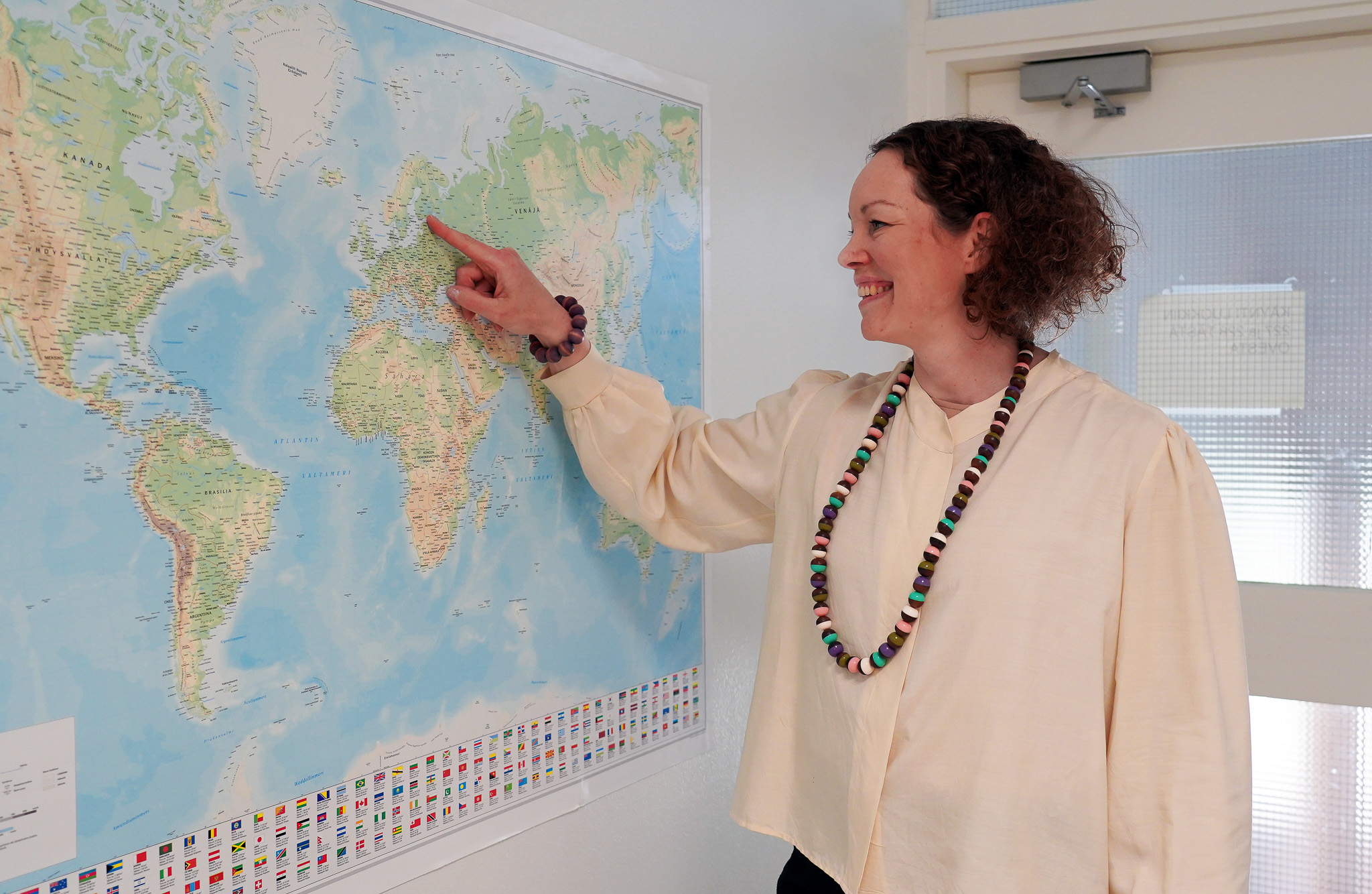
A total of 282 students were left on waiting lists for Finnish courses at the Adult Education Centre in the 2025–2026 academic year, even though more than 950 learners were able to register for a place. The number of students has increased nearly fivefold in under five years.
When Paula Fiskaali, a teacher responsible for immigrant education, started at the Adult Education Centre in 2021, 197 people were studying Finnish. In the current academic year, the number has already reached 952.
– Looking back, the growth has been rapid. At the same time, the number of foreign-language speakers in Tampere has increased quickly, which also explains the rise, Fiskaali says.
The most popular courses are evening Finnish courses, which also make up the largest share of the Centre’s provision. These courses usually meet once or twice a week. According to Fiskaali, students would like even more intensive courses, but organising them is often difficult due to teaching hours and space constraints.
Finnish culture sparks interest
Finnish courses include a wide range of exercises, from quizzes to practising word inflection. Classes also focus on speaking and discussions on current cultural topics. Some courses concentrate on writing, while others strengthen grammar skills.
– Even if students are starting to feel sleepy during an evening class at, say, eight o’clock, a playful speed competition on Finnish plural forms can still give them a boost, Fiskaali says.
Based on Fiskaali’s experience, students are most interested in Finnish culture and its particular features, such as ice swimming, sauna culture and punctuality. Topics related to studying, working and job-seeking are also important and motivating.
– Many students come to the Adult Education Centre to strengthen their basic skills and then go on to institutions such as Tredu to study vocational subjects, Fiskaali explains.
Work and goals drive motivation
At the Centre’s courses, students of Finnish are often most surprised by the flexibility of studying. Homework does not need to be submitted to the teacher, and there are no exams, except on courses that award study credits.
– Many are also surprised at how affordable our courses are. One Brazilian student said they were amazed that a similar course would cost a couple of thousand euros in Brazil, whereas here the price is around 50 euros, Fiskaali says.
According to Fiskaali, Finnish learners are highly motivated and often have clear goals when they register for a course. Many are preparing for the National Certificates of Language Proficiency (YKI test) or have otherwise set a target level for themselves.
– Their motivation also shows in the way students come up to ask for tips after class on how they could continue studying at home. Fortunately, teachers have access to various digital platforms where they can compile additional exercises for the most eager learners. It’s also rewarding for teachers to see students helping each other in class. That, in turn, motivates teachers to come up with engaging tasks, Fiskaali says.
Budget cuts affect those with the least resources
The Finnish Government has decided to cut 50 million euros from integration training, of which seven million will target language education for immigrants provided by adult education centres. Fiskaali fears that the cuts will hit those with the least resources, leaving them without access to studies.
– Until now, we have been able to offer some free daytime courses for integration students. They have been vital opportunities for those in a difficult financial situation. These courses are about much more than learning a language: they also provide a chance to meet others, hear about current issues and, of course, bring meaningful structure to daily life. Charging fees always excludes some students, Fiskaali says.
The Adult Education Centre will publish its autumn courses on Friday 12 June 2026 on its course website. Registration opens online on Saturday 1 August 2026 at 12 noon.
Further information
Paula Fiskaali
The email address is in the format: [email protected].


