
Children's art planting boxes bring life to the cityscape
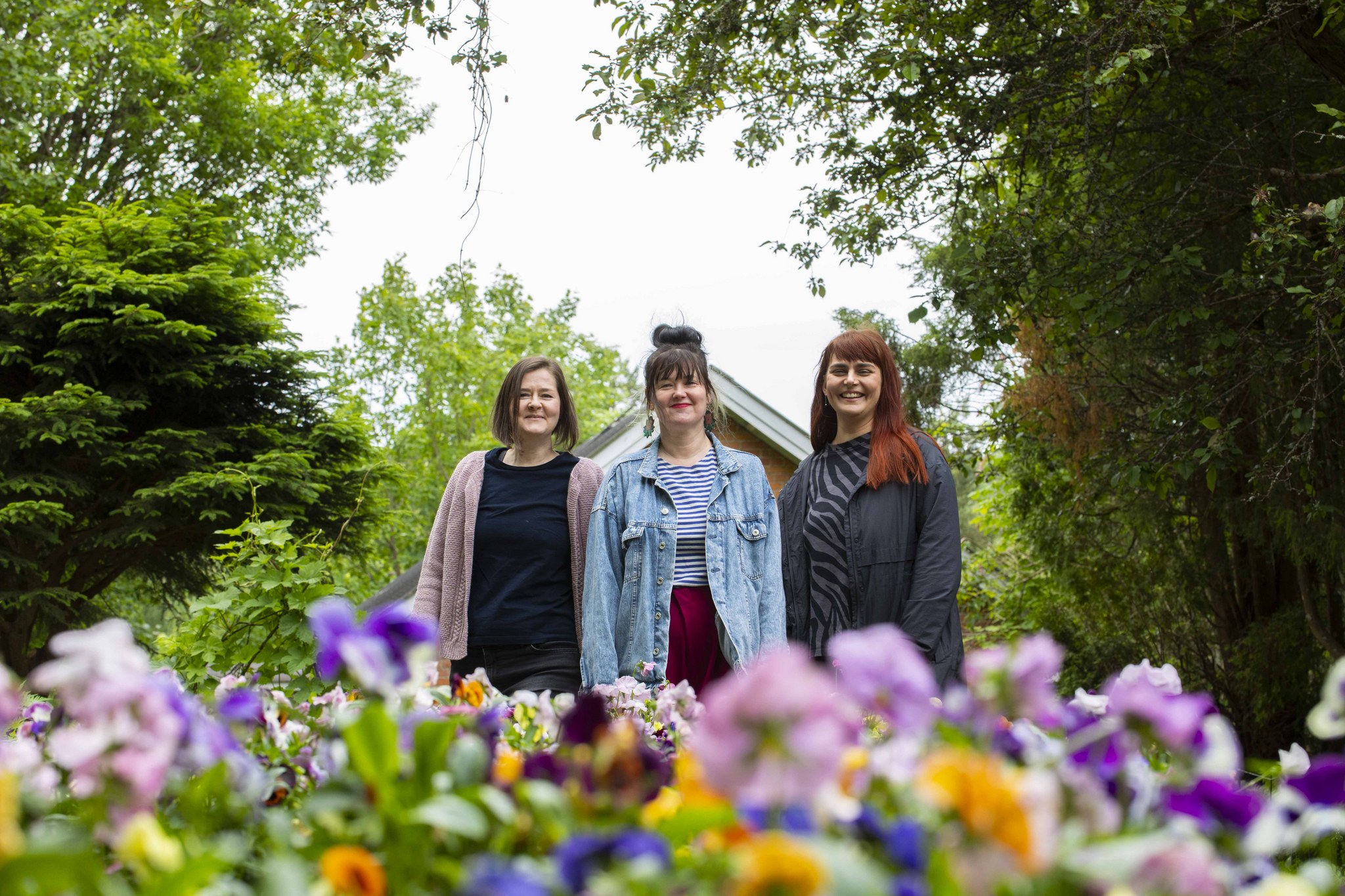
Colourful drawings adorn three newly planted flower beds next to the Haihara Arts Centre. Museum curators Janina Ahlfors and Liisa Aholainen, together with landscape expert Mirjam Larinkari, admire the drawings, which feature flowers, animals, rainbows and other summer themes.
– Making these plantings brought people great joy. We combined art and environmental education in a practical way, says Janina Ahlfors.
Ahlfors works together with Aholainen at the Tampere City Culture Department and has been involved in the cultural education programme Taidekaari for twenty years. Developing environmental education has been one of the long-term projects in the urban culture unit.
– We have been thinking about how early childhood education and outdoor learning in the urban environment could be implemented in cooperation, says Liisa Aholainen.

The drawings and planted flowers were part of the Haihara summer event, which attracted a wide range of participants from all age groups.
– The first flower was planted by a visitor over 70 years old, and there were several dozen children, tells Ahlfors.
The art planting boxes were born out of an idea where children would design plantings as part of Tampere's cityscape. Eventually, at a meeting of the Sustainable City Strategy Team, the idea for the plantings was put into practice.
– We found extra summer planting boxes and started planting art in different parts of Tampere. One of the art plantings was in Hämeenpuisto, tells Aholainen.

Like-minded plantings and artworks have also been created at other events. For example, in the 125th anniversary year of Tampere Parks, children designed the flower plantings and adult artists created them.
– Children are quick to understand why nature should be visible in the cityscape. One child said that without vegetation, the cityscape would at least be dull and grey, laughs Ahlfors.
Cooperation has brought a lot of value
The Haihara and Hämeenpuisto plantings are part of a wider project that combines art and environmental education, ecological thinking and urban development. Larinkari, who works in the Green Areas and Stormwater Unit, stresses the importance of cooperation.
– Working together with different organisations is the main focus of our project. We also get to combine the ideas and plans of residents and municipalities, tells Mirjam Larinkari.
Another sign of successful cooperation is the fact that the art planting team was awarded in the Staff as Developers competition at the Town Hall in early June. The long-term work and the integration of different city organisations has given the project a high profile.
– It brings together many aspects of the city, such as art, education, nature and urban planning, under one roof, together with the work of residents and citizens, concludes Larinkari.


