
Humane digital transformation
Digital solutions, human stories – Perspectives from those of us building the future.

Three things I've learned about digital development
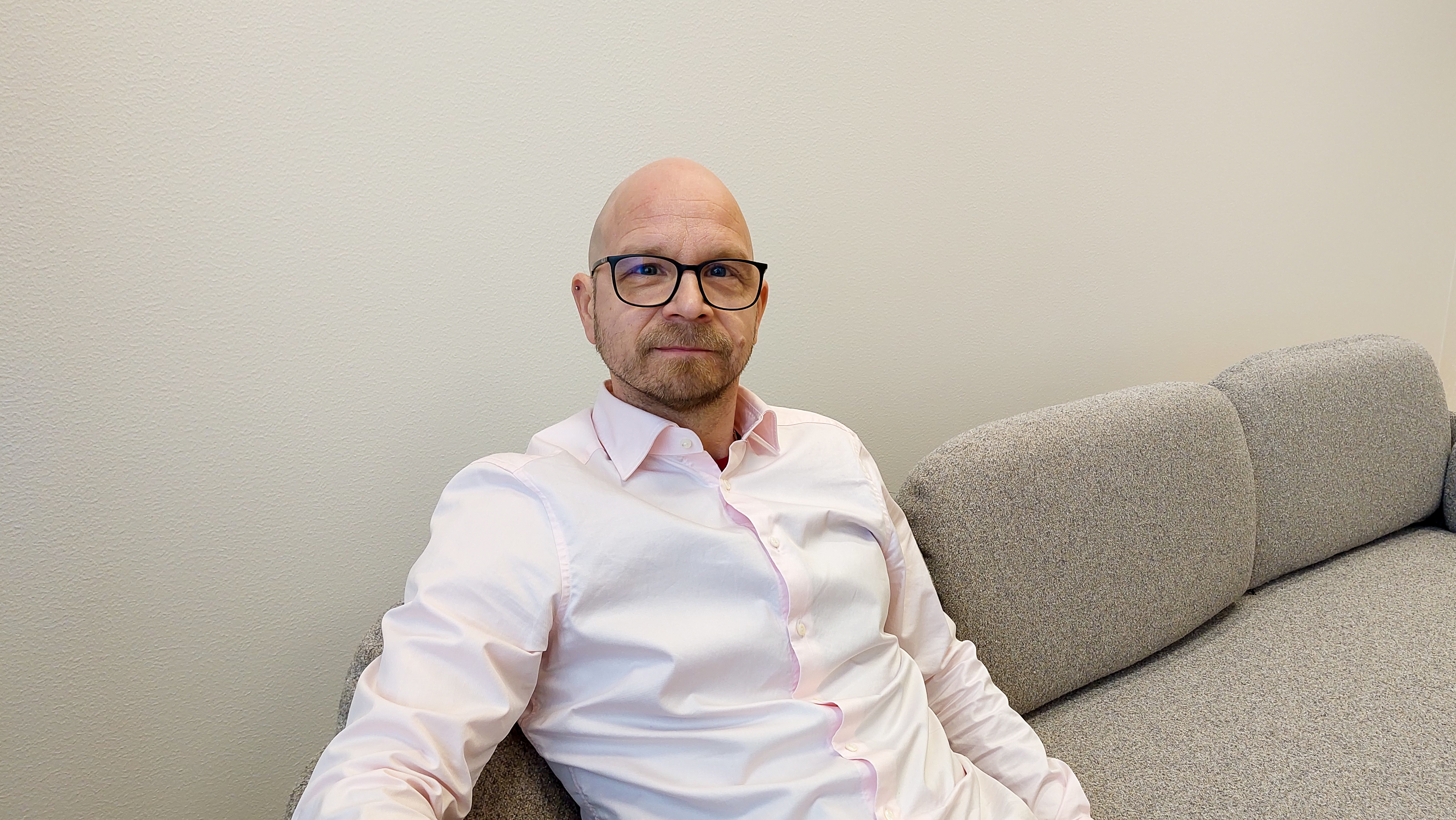
In the twenty years that I have been involved in digital development in one way or another, things have changed a lot. And not just in terms of new opportunities and ideas, but the entire field has been reshaped. Some might argue that change has happened many times over.
In the early days of my career, simple tasks were digitised, new applications were acquired, data was collected and registers were built. Then came the idea of enriching data with location information or other external inputs, giving rise to geospatial data and increasingly extensive metadata across different domains. Now we are trying to find different uses for this collected data and make better use of it - possibly to predict the future!
However, during the change, certain aspects of development have not changed. As was noted years ago, better software or more data is no guarantee of change. Especially change that does things better, faster, more accurately or smarter. If the change is only technical and does not bring benefits to users, the business will not improve - often the opposite. Data quality deteriorates, new software gathers dust, and supposed benefits turn into proven burdens. Potentially expensive as such.
Leading change means committing to choices
Now that these thorns have been circumvented and the benefits of development have been identified beyond the shiny new software (which is a little better than in Turku), we come to the most challenging part of development itself: leading change. It doesn't happen by command, by money or by asking. It comes through guidance, commitment, listening and admitting the facts.
Sometimes change is necessary, not justified - it has to be acknowledged. Sometimes change is resisted - it has to be tolerated, listened to, but it also has to be backed up by choices. Leading change is about committing to the decisions that have been made, even when doing so requires anchoring oneself firmly to bedrock. Those anchors are put in place by a competent project organisation that supports leadership in carrying decisions through.
An essential ingredient of meaningful change
At the moment, digital development talks (almost exclusively) about artificial intelligence. It's killing in the office and at leisure like an old bug spray. I fear that the debate is coming back round the bend to the starting point of this text, when technology was driving things to change. I am not arguing that the choices or investments made now are futile. The only thing to remember in the momentum is that technology itself has not driven many changes to completion. It takes an expert to make technology understandable and usable for people. You have to remember to involve people, otherwise genuinely beneficial change will not happen.
So three things I have learned about digital development over the last twenty years:
- A good idea is just a good idea without leadership support
- Digital development often ends up being very little technology development. The biggest change comes from a change in the way things are done, driven by technology.
- The best people in digital development know how to help people. Technology is an enabler, but people need to succeed for the lessons to bear fruit. Even the best product is just technology without a user and without benefits.
I hope I have learned something else. And I hope I learn more. It seems that every day is still an opportunity to learn something new.


Leave a comment