
Aivot Eka campaign, legislative amendments and new rules keep primary schooler brains from overloading
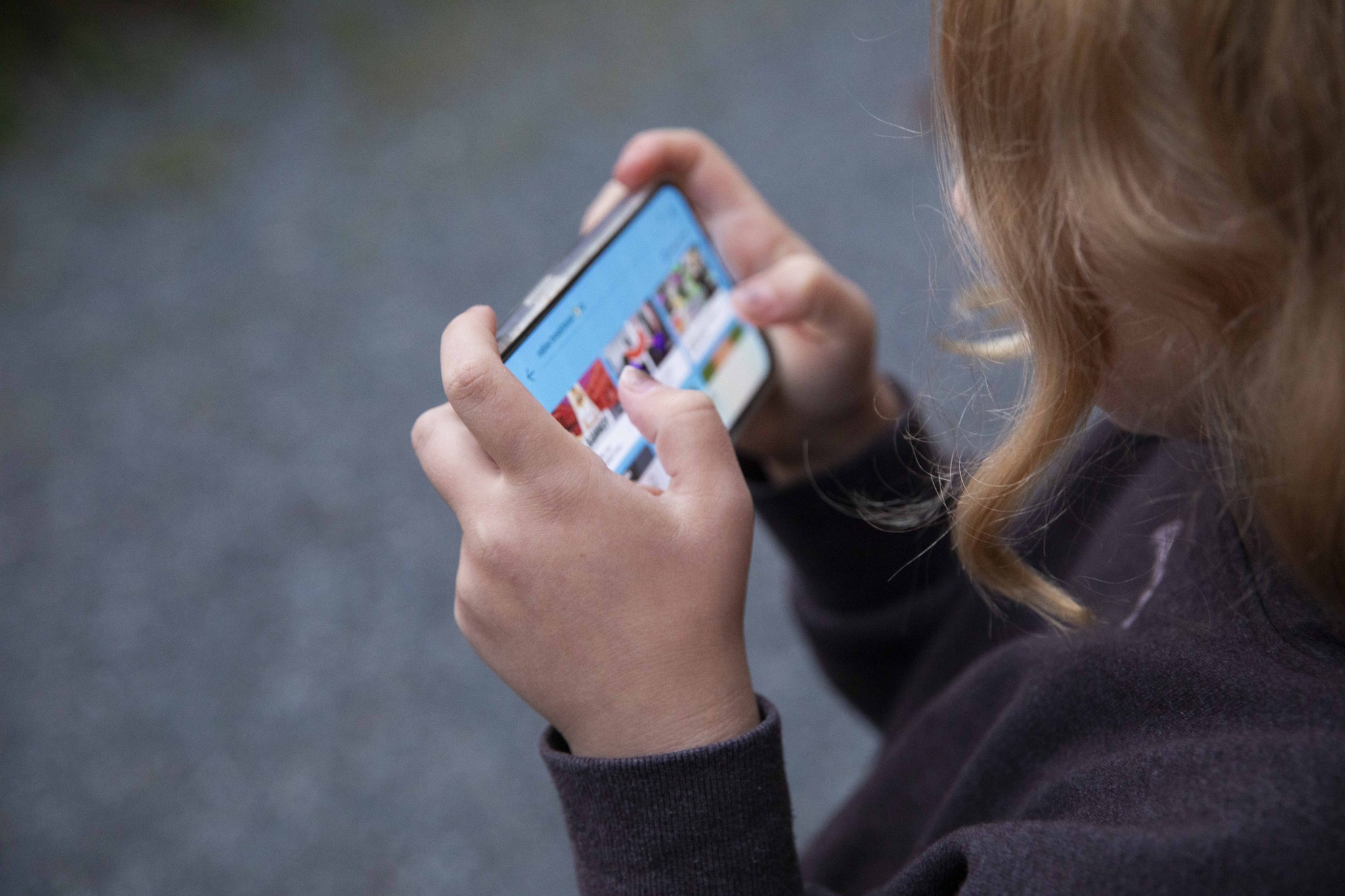
Many families are thinking about getting a smartphone for their young schoolchildren, even pre-schoolers. They believe that having a lifeline to the parents creates a sense of security for children. They may also lean into thinking “why not, the other kids have one anyway”.
However, more families have chosen to buy a smartwatch instead, as they can also be used to contact the parents but with more limited functionality.
Studies show that this is a smart choice. It’s been shown, after all, that the later a child gets their first smartphone, the less they have mental health issues as a young adult. It also leads to more success in mathematics and languages. Furthermore, children with under an hour of screen time per day achieve learning outcomes that are two years ahead of peers that spend over five hours per day starting at a screen.
Head of Basic Education enthusiastic about campaign
The Aivot Eka campaign was revealed in May with an information package aimed at parents. Simo Turtiainen, Head of Basic Education and the man responsible for digital education at Tampere, is enthusiastically supportive of the campaign.
– You could even ask why not sooner, he ponders.
Turtiainen, who assumed the Head of Basic Education post in August, was previously the head teacher at Olkahinen and Vuores schools, which means he has his finger on the pulse of our schools. Turtiainen is worried about how smartphones, which the pupils always have on them, demand constant attention with notifications, interrupting other activities.
A new legislative amendment was enacted in August, providing schools with better tools to restrict the use of smart devices during the school day. This coincided with an update to the rules at Tampere’s primary schools, which now forbid the use of mobile devices inside the school without the teacher’s permission.

These changes were made to enshrine the four pillars of education: learning, brain health, interaction, and activity.
– However, we have to keep in mind that for some children, their smartphone might be their whole world and only sense of security. That is one of the reasons why Tampere did not ban smartphones completely. The new rules still allow them outside during recess, he points out.
– We also haven’t gone the route of confiscating the devices for the duration of the day, as our aim is to teach them that they don’t have to be constantly looking at their phones, he says.
Turtiainen also makes a point that it must be possible to trust the children. The digital world is as real a part of life as anything outside and after school, which means pupils need controlled guidance for using it.
– In general, blanket bans don’t work well. Digital literacy will certainly be necessary, but it doesn't exist without traditional literacy. Neither can future literacy exist without good digital literacy, he emphasises.
Head teachers and student bodies have received a survey on how the new rules have impacted their days.
Controlled teaching about digital devices
Turtiainen is a father as well, which means his experiences on schoolchildren’s use of smartphones isn’t only based on work. In a parent-teacher conference at his child’s school, the parents agreed together to not buy smartphones for their young schoolchildren.
– A smartwatch is a better option, and I have no interest in banning those. They can be a safety factor. Screen time restrictions on them are easier and they have a special school mode. It is good to teach children to use their digital devices safely and in moderation, says Turtiainen.
He says that smartwatches have become more prominent of late and hopes that the Aivot Eka campaign promotes them.
Overuse of smartphones isn’t just a problem for schoolchildren; it’s in fact the opposite. The children will have learned to keep their eyes glued to the screen from their parents, the first generation of smartphone users. Turtiainen has also noticed that he needs to actively reduce his own time on devices.
– It is a little unsettling to go out for a walk with your dog and notice that you’re just staring at the screen instead of what’s around you. At home, I’ve learned to leave my phone at arm’s length and start my mornings by reading the news in the paper, he reveals.

Few pre-schoolers have smartphones
Simo Turtiainen thinks that for first-graders, it may already be too late to transition to a smartwatch, as some parents are already buying smartphones for their pre-schoolers.
However, Elli Rasimus, Head of Early Childhood Education at Tampere, notes that this has not yet got out of control.
– Early childhood education hasn’t joined the Aivot Eka campaign, but we have given the kids’ guardians instructions for smartphone use. Very few pre-schoolers at Tampere even have smartphones. Smartwatches are starting to show up, but even they remain a minority, says Rasimus.


