
Artificial turf is being recycled in Tampere
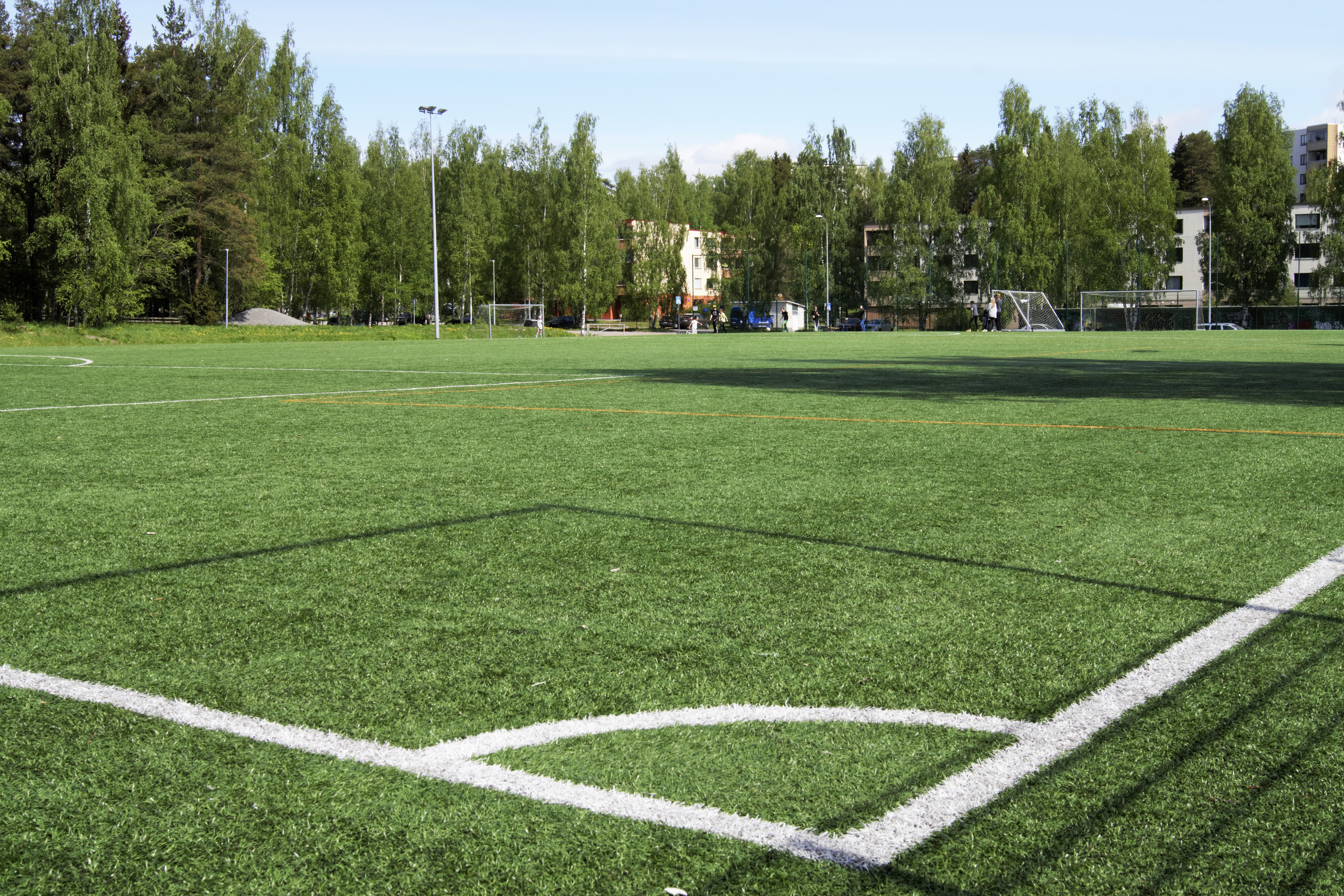
In Tampere, artificial turf doesn’t end up as waste. Instead, it gets a new life when it’s moved from one field to another. Renovating artificial turf fields doesn’t mean disposing of the old material, but rather repurposing it. Artificial turf in good condition is reused on smaller fields, and over the summer, artificial turf will be replaced on several fields in Tampere. The artificial turf from Tammela Stadium will be moved to the youth fields at Lamminpää Sports Field, Kaukajärvi, and Lorisevanpuisto. The artificial turf in Hall C of the Tampere Exhibition and Sports Center was replaced in the fall, and over the summer it will be moved to the large field at Kaukajärvi.
One large field can be divided into two medium-sized or even three small fields. This significantly extends the material’s service life and reduces the need for new artificial turf. The service life of artificial turf varies depending on field usage. For example, in Tammela it lasts about three years, while in Kauppi the lifespan is about five years. After that, the artificial turf can continue to be used on smaller fields for up to 10 years.
Rubber infill is being phased out
The EU has banned rubber infill and other products containing microplastics (EU 2023/2055). The goal of the ban is to reduce the amount of microplastics entering the environment by approximately half a million metric tons per year. The ban applies to the sale of these products, not their use, and it will come into effect in September 2031.
In Tampere, new solutions have already been adopted for the infill materials used in artificial turf fields, and rubber infill is no longer used. For example, at the Kaukajärvi field, rubber infill is being removed and disposed of properly.
Currently, alternative infill materials are used on new fields. In Tampere, materials such as olive stone granules and sugarcane-based materials have been tested, but at present, the most common infill material is cellulose-coated quartz sand.
A well-maintained field lasts longer
Sports Director Mikko Heinonen explains that there is a common misconception that artificial turf requires no maintenance. In reality, the fields must be maintained regularly, just like natural grass fields. A well-maintained field lasts longer and retains its playability.
“In Tampere, the primary focus is not on purchasing new artificial turf for smaller fields, but rather on taking good care of existing fields and reusing the materials. At the same time, sand fields can be replaced with artificial turf, which improves sports conditions year-round,” says Heinonen.
Recycling artificial turf extends the life cycle of the materials, reduces waste, and saves costs. At the same time, more and more fields remain in good condition and in active use.


