
Hatanpään Kartanopuisto Park

- Benches
- Rose garden
- Summer kiosk
- Summer café
Location on map
What kind of park is it?
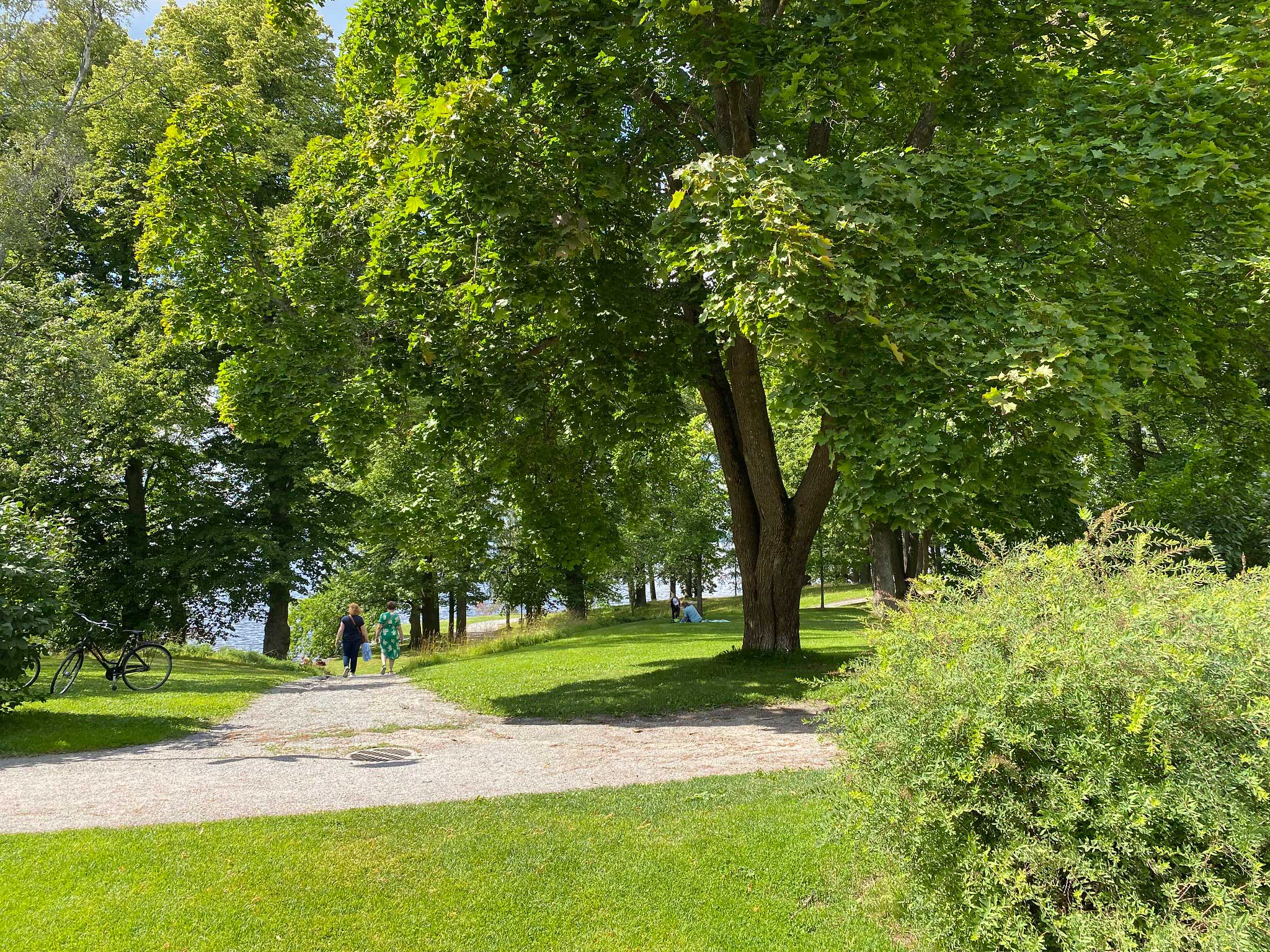
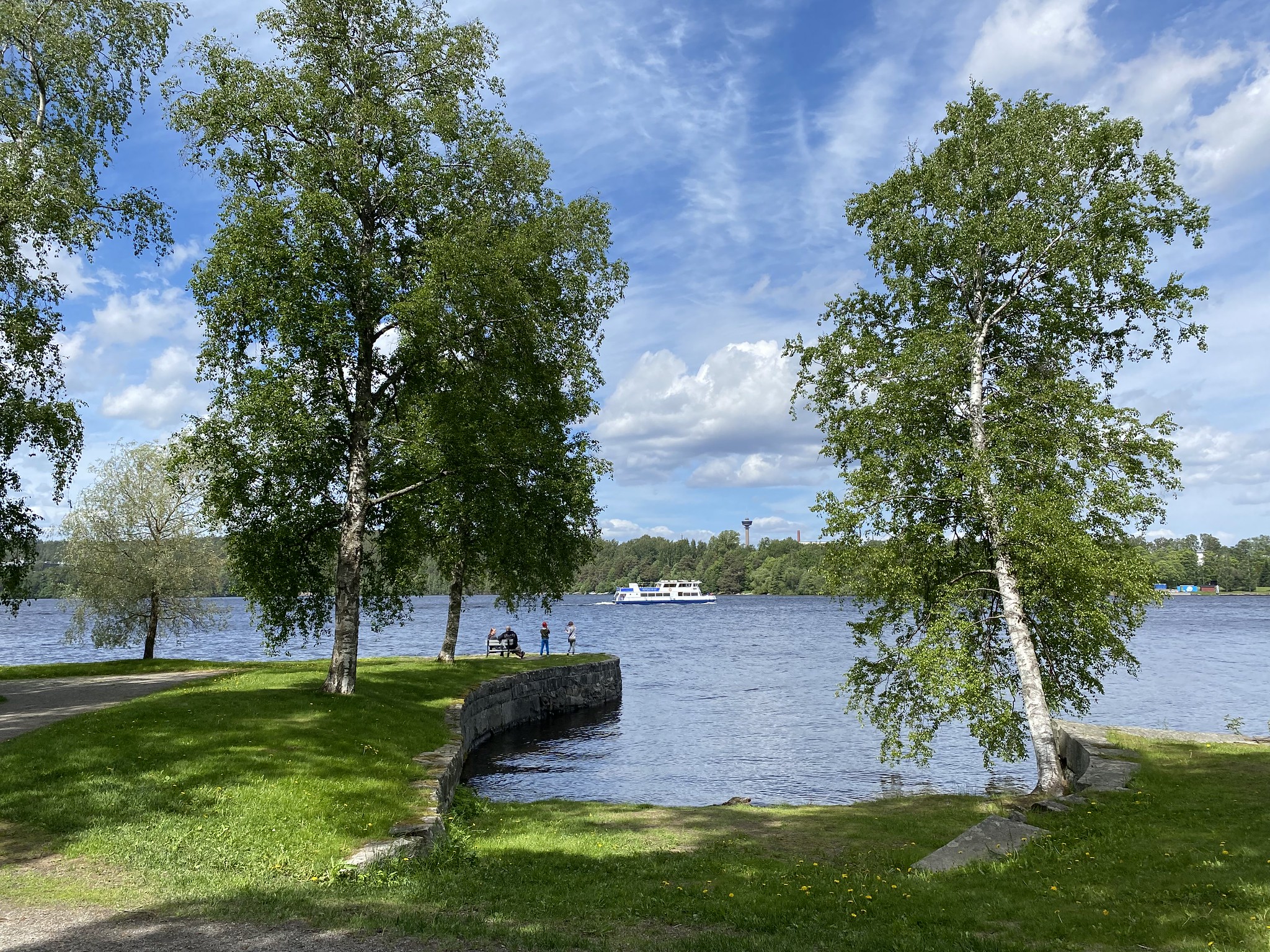
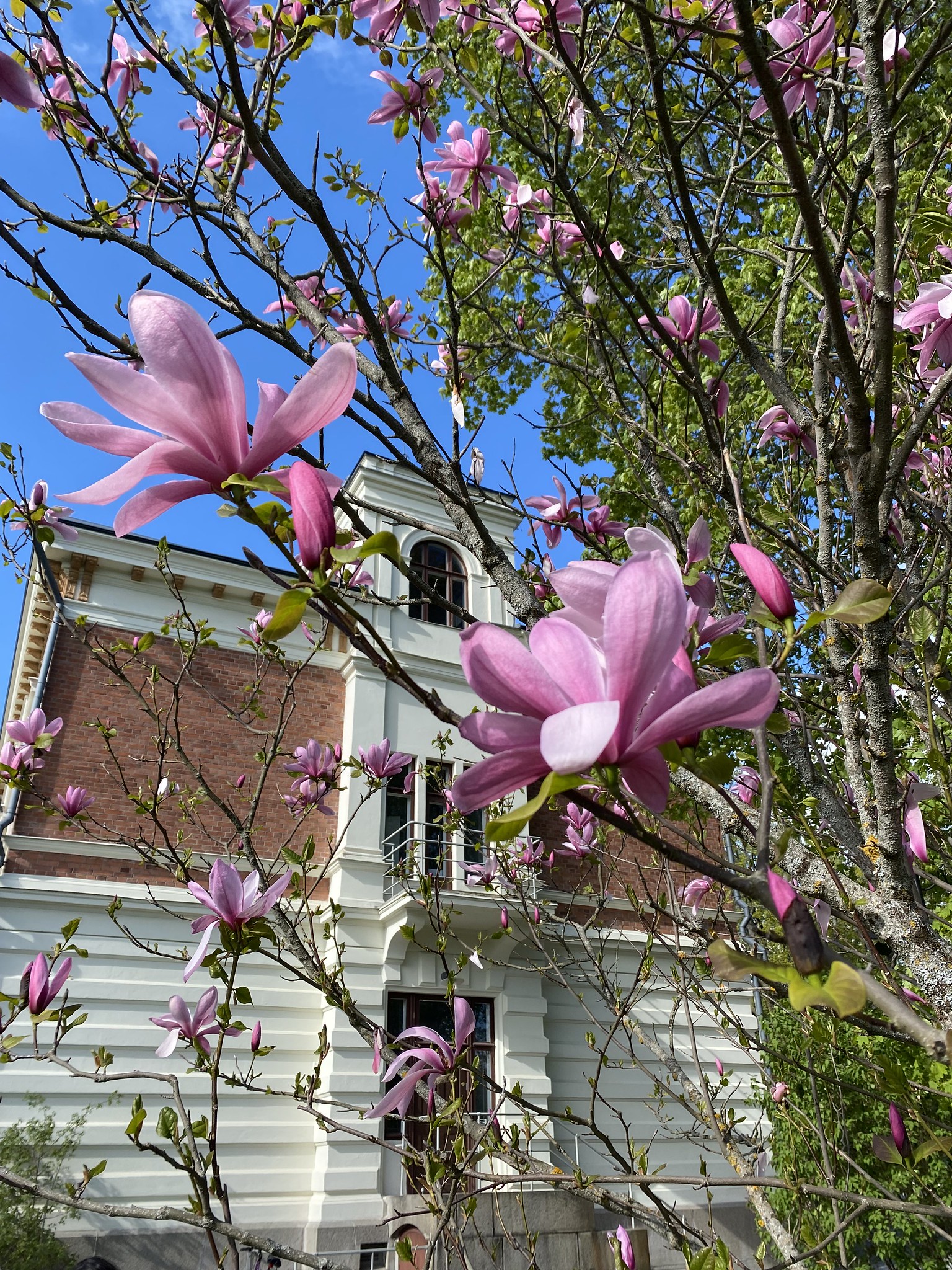
Hatanpään Kartanopuisto Park and the Hatanpää Arboretum are often seen as a single entity. The Kartanopuisto Park is distinguished from the Hatanpää Arboretum by old trees, mostly planted in the 19th century, and several designated park corridors. There is also a rose garden in Kartanopuisto, close to Hatanpää Mansion. During the summer, there are also kiosks and cafés in the area.
Rose garden
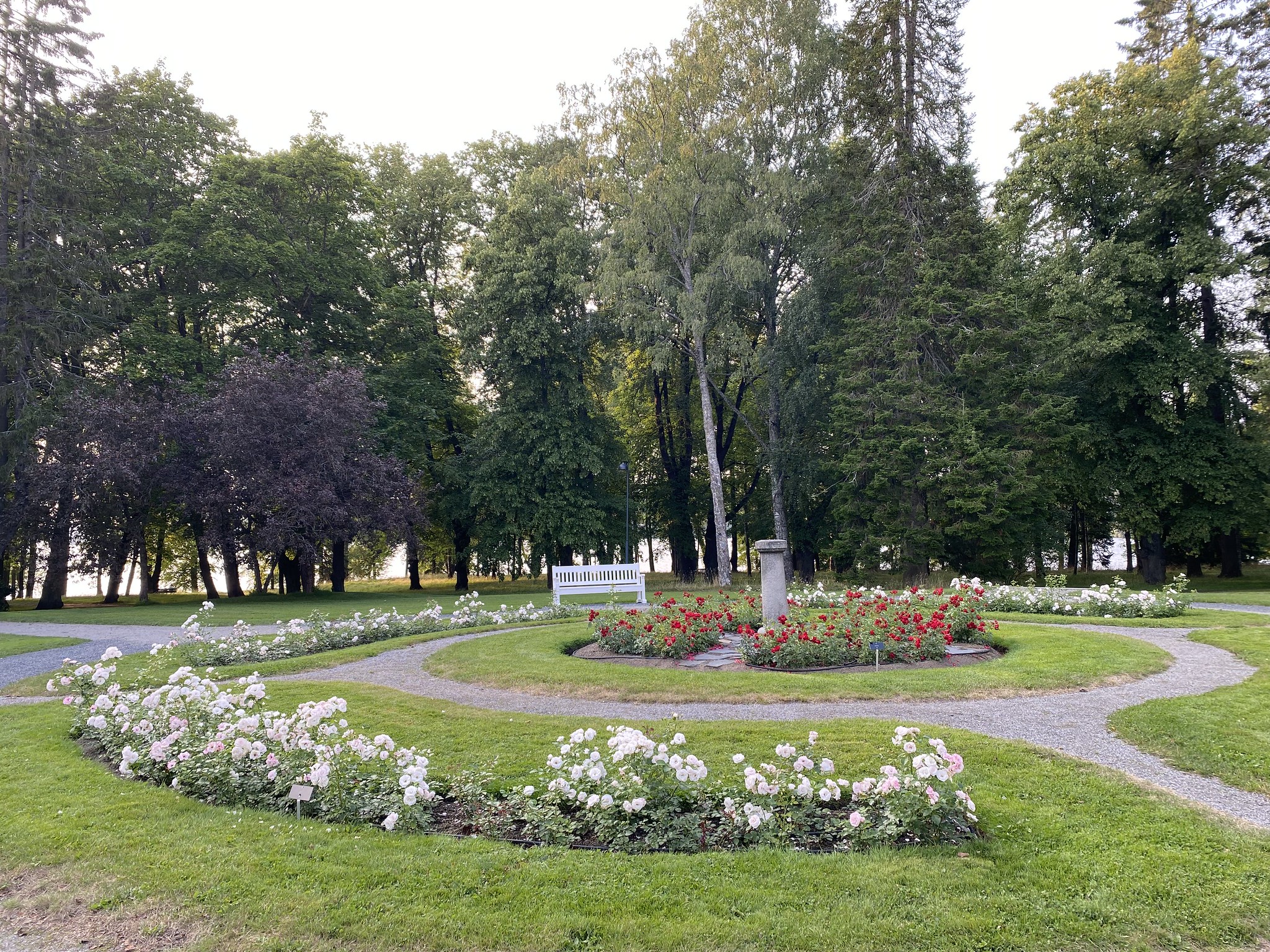
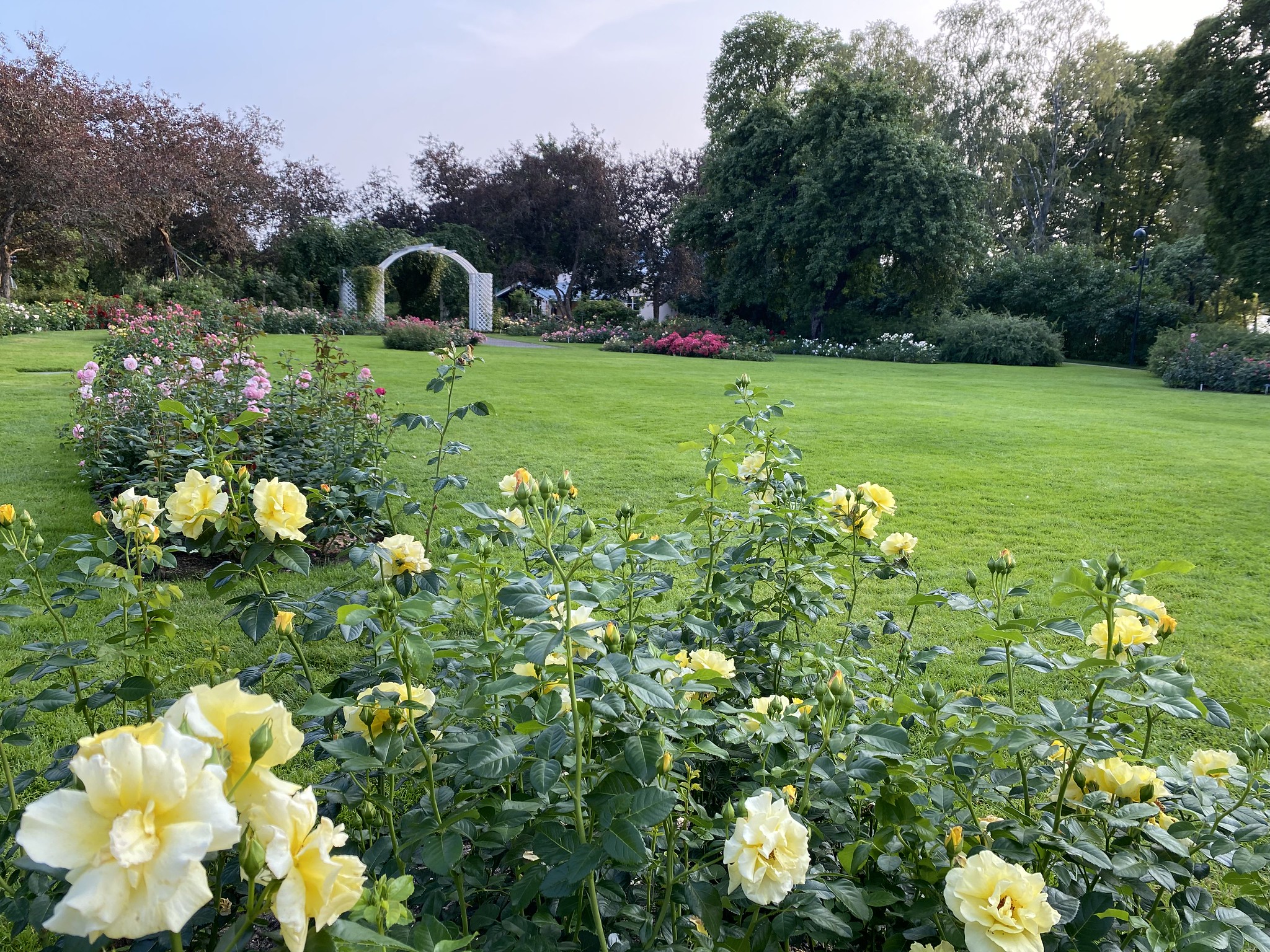
The jewel of Hatanpää Manor Park is the rose garden, located south of Hatanpää Manor.
The rose garden was built in 1971–1973 on the south side of the Hatanpää Mansion on the site of a former orchard. A few apple trees still remain from the old days. Today, the rose garden contains almost 200 different varieties of roses. Represented are groundcover, bedding, park, climbing and shrub roses. Most of the roses in the garden are bedding roses, which require a lot of care and are low and long-flowering. The different varieties of roses are labelled.
The rose garden is at its most beautiful from mid-July to the end of September, with the best flowering period for the rose bushes growing on the hillside being early summer. Each year, a few new group rose varieties are tested in the rose garden, and in addition, some varieties have to be replaced each spring. The hardiest varieties remain for several years.

Trees and plantations
Hatanpään Kartanopuisto Park probably took its present form in the late 1700s. However, most of the present trees were planted in the 19th century. The trees are mainly composed of native deciduous trees such as birch, maple, rowan and sycamore. The conifers that stand out in the landscape are Siberian fir and Siberian pine, in addition to the indigenous spruce.
The large old spruces located on either side of the path leading from the manor’s main building to the shoreline have been named Hat and Cap, after the Hats and Caps, the political factions that alternated in power in Sweden in the 18th century. In addition, the oak tree at the entrance to the main building is 200 years old. Next to it is a European wild pear tree, which is rare in the Tampere area and is reportedly one of the largest of its kind in Finland.
In the flower beds in front of the Mansion, there are beautiful purple bougainvilleas and large aloes.

Park pathways in Kartanopuisto Park
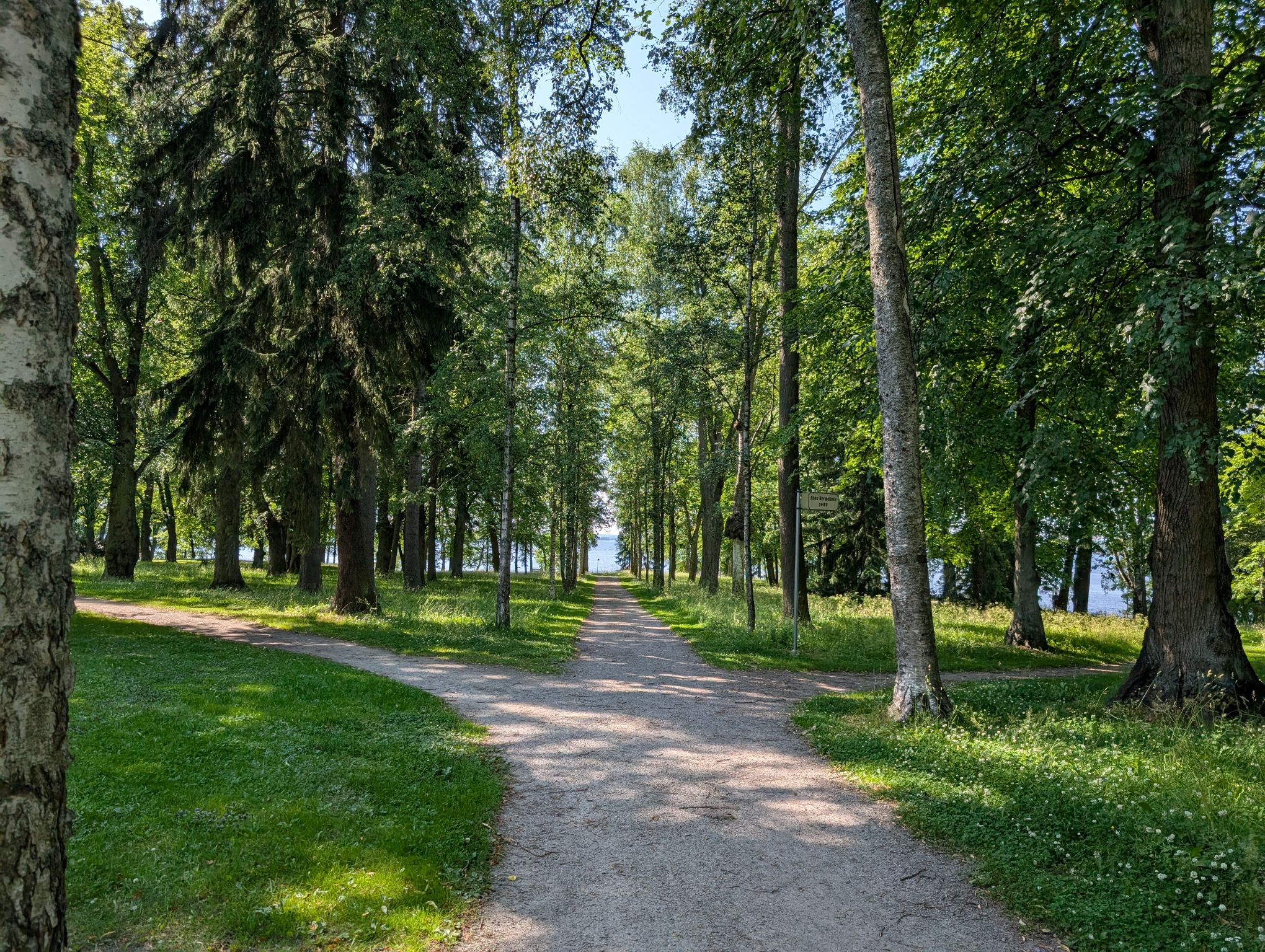
In Kartanopuisto Park, there is a path called Kuninkaankuja (King's Alley), where King Gustav III strolled during his visit to Tampere in 1778. The other park pathways in Kartanopuisto Park were named when the Hatanpää local detailed plan was being redesigned. The Street Naming Committee named them after the women who had an influenced in Hatanpää.
- Kerstin Hatanpää Path: Kerstin Hatanpää from the Hatanpää estate is mentioned in documents dating back to 1554.
- Elsa Creutz Path: Baroness Elsa Margareta Creutz's (1664–1743) father already owned the Hatanpää cavalry farm in 1656. Elsa owned the Mansion together with her spouse from 1698 to 1723.
- Sara Ivendorff Path: Jonas Brandt purchased the manor from the Creutz family together with Sara Elisabet Ivendorff in 1723. After Brandt’s death, Sara continued as the lady of Hatanpää with her second husband until 1733.
- Anna Hermelin Path: Anna Helena Hermelin (1720–1793) was a Swedish noblewoman and the spouse of Hans Henrik Boije. From 1758 to 1779, Anna Helena and Hans Henrik owned Hatanpää Mansion.
- Ottelia Ladau Path: Otteliana Charlotta Ladau married Gabriel Ahlman, the owner of Hatanpää Mansion. After her husband’s death, Ottelia was allowed to live at Hatanpää Mansion until 1801.
- Katarina Lefrén Path: Catharina Lefrén, the spouse of Lars Gustav Lefrén, a pioneer of Tampere’s industry, managed Hatanpää Mansion from 1801 to 1825. After her husband’s death, she returned to Sweden.
- Lisette Gardiemeister Path: Elisabeth (Lisette) Eleonora Gardiemeister, the spouse of Nils Johan Idman, lived at Hatanpää at least until her husband’s death in 1851, after which she spent the rest of her life, until 1873, at the Härmälä cavalry farm.
What does the park look like?
Nice to know
On the north-western side of the Kartanopuisto Park near the shore of Lake Pyhäjärvi, is the so-called Freemason's Tomb. It is a natural stone carved with the Masonic motto in Greek.